
As I flipped my first batch of sizzling Korean Vegetable Pancakes (Yachaejeon), the delightful aroma filled my kitchen, instantly transporting me to the bustling streets of Seoul. These crispy, golden treats, packed with vibrant vegetables and paired with a zesty soy dipping sauce, are not just a snack—they’re an experience. Quick to prepare and utterly delicious, these pancakes make for the perfect appetizer or side dish. Whether you’re hosting a dinner gathering or simply craving something wholesome, this easy vegetarian delight checks all the boxes. Plus, they are incredibly versatile—experiment with any vegetables you have on hand, and make them your own! Are you ready to dive into this crispy comfort?
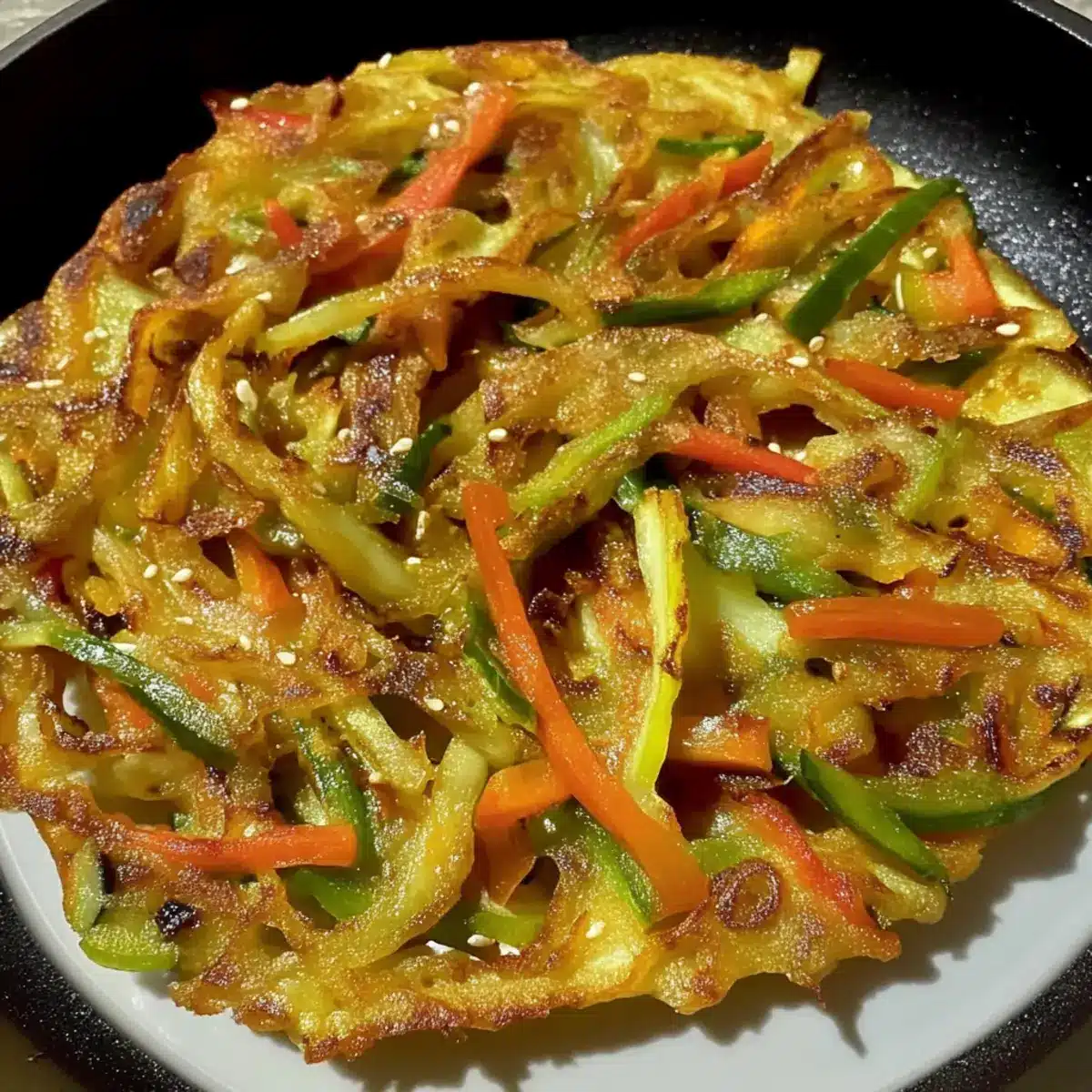
Why Are Korean Vegetable Pancakes a Must-Try?
Crispy Texture: The delicate crunch from the outside contrasts beautifully with the tender vegetables inside, making each bite a delight.
Flavorful Variety: Packed with fresh ingredients, you can easily customize these pancakes with your favorite veggies, like zucchini or mushrooms.
Quick Preparation: Ready in under 30 minutes, these delicious pancakes are perfect for busy weeknights or impromptu gatherings.
Crowd-Pleasing Appeal: Serve them as a fun appetizer or a satisfying side dish; everyone will be reaching for more!
Health Boost: With vibrant vegetables and an easy vegan option, they offer a guilt-free indulgence. Don’t forget to try them alongside a refreshing salad or pickled vegetables, just like in this Apple Crisp Korean recipe!
Korean Vegetable Pancake Ingredients
• Get ready to whip up a scrumptious batch!
For the Batter
- Flour – Provides structure and forms the base of the batter; gluten-free flour blend can be used for a GF version.
- Cornstarch – Ensures a light and crispy texture; essential for achieving that perfect crunch in Korean Vegetable Pancakes.
- Water – Hydrates the dry ingredients; adjust the quantity for desired thickness.
- Turmeric – Adds a warm color and hints of flavor; can be replaced with paprika for a different hue.
- Salt – Enhances flavor; sea salt or kosher salt works beautifully.
- Baking Powder – Helps the pancakes rise slightly, ensuring a fluffier texture; use fresh for the best results.
For the Vegetables
- Green Onions – Adds freshness and mild onion flavor; scallions can be used as an alternative.
- Red Onion – Provides a tangy bite; yellow onion can offer a sweeter note.
- Carrot – Contributes sweetness and vibrant color; swap with zucchini for a different texture.
- Red Pepper – Adds sweetness and crunch; any bell pepper works as a substitute.
- Cabbage – Adds volume and crunch; savoy cabbage makes a good alternative.
- Hot Pepper – Optional for heat; adjust to your preference or omit for a milder flavor.
For Frying & Serving
- Oil for Frying – Essential for a crisp finish; vegetable or canola oil works well, and sesame oil can add an extra flavor boost at the end.
- Dipping Sauce
- Soy Sauce – A primary flavor component; adjust for sodium levels or use tamari for gluten-free.
- Rice Vinegar – Adds brightness; adjust according to your taste.
- Sesame Oil – Gives a nutty flavor to the sauce; essential for that authentic taste.
- Toasted Sesame Seeds – Add texture and flavor; sprinkle generously.
- Chili Flakes – Provides a spicy kick; adjust according to how much heat you desire.
Step‑by‑Step Instructions for Korean Vegetable Pancakes
Step 1: Prepare the Vegetables
Begin by washing and slicing all your fresh vegetables including green onions, red onion, carrot, red pepper, cabbage, and hot pepper. Aim for uniform pieces to ensure even cooking and a delightful texture throughout your Korean Vegetable Pancakes. Set your sliced veggies aside in a bowl while you make the batter, ensuring they are ready to mix in seamlessly.
Step 2: Make the Batter
In a large mixing bowl, combine flour, cornstarch, turmeric, salt, and baking powder. Gradually whisk in water until the batter reaches a thickness that is smooth yet spreadable. You want it to cling to the vegetables but not be too runny. This perfect consistency will ensure your Korean Vegetable Pancakes are crispy and flavorful!
Step 3: Mix Vegetables
Fold the sliced vegetables into the batter gently until all the pieces are evenly coated. This step is crucial for balancing the flavors in your Korean Vegetable Pancakes, allowing the vibrant veggies to shine through in every bite. Make sure not to overmix; you want to retain the integrity of the vegetables.
Step 4: Prepare Dipping Sauce
While your batter is ready, take a small bowl and mix together soy sauce, rice vinegar, sesame oil, toasted sesame seeds, and chili flakes to form your dipping sauce. Adjust the flavors to your liking, ensuring it complements the pancakes beautifully. Set this aside for later; it’s the perfect enhancement to your crispy treat!
Step 5: Heat Pan
Pour a generous amount of oil into a non-stick skillet and heat over medium until shimmering. This step is crucial for achieving that desired crispy texture in your Korean Vegetable Pancakes. A well-heated pan will ensure even cooking and helps to develop a beautiful, golden crust.
Step 6: Cook Pancakes
Spoon the batter into the pan, spreading it thinly into circular shapes. Cook each pancake for about 3-4 minutes or until golden brown and crispy on the bottom. Use a spatula to gently flip them over when the edges look set and the underside achieves that lovely color.
Step 7: Repeat Cooking
Continue the cooking process with the remaining batter, adding more oil to the pan as necessary to maintain that crispiness. Ensure the heat is steady, adjusting if you notice any scorching. This repeated step will yield a delicious batch of Korean Vegetable Pancakes that your family will love!
Step 8: Serve
Once all the pancakes are done, serve them warm alongside the prepared dipping sauce. These Korean Vegetable Pancakes make for a delightful appetizer, snack, or side dish that is bursting with flavor and ready to impress!
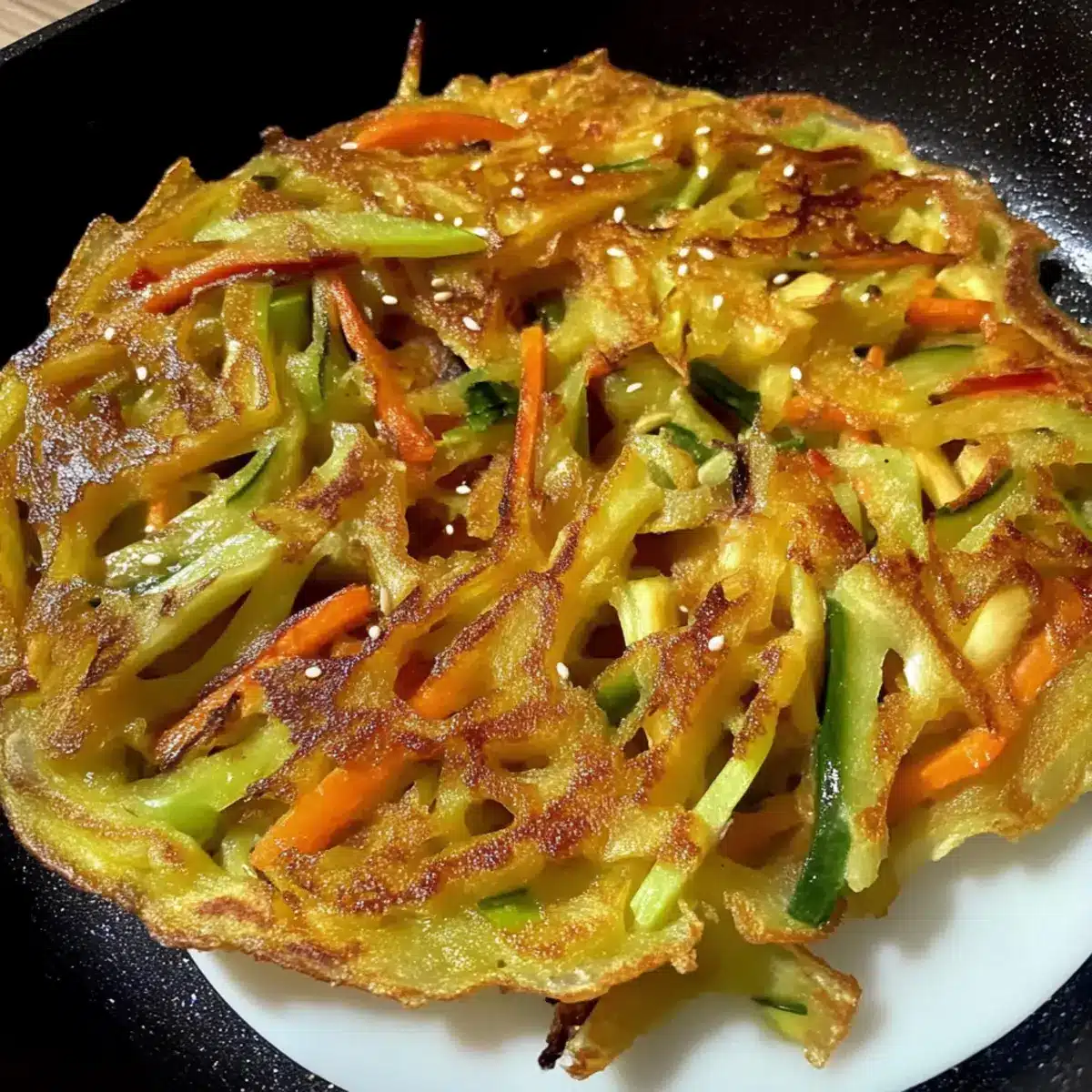
How to Store and Freeze Korean Vegetable Pancakes
- Room Temperature: Keep cooked pancakes warm in a low oven (around 200°F) for up to 30 minutes; this maintains their crispy texture before serving.
- Fridge: Store cooled Korean Vegetable Pancakes in an airtight container for up to 2 days; reheat in a skillet over medium heat to restore crispiness.
- Freezer: Freeze individual cooked pancakes with parchment paper between layers for up to 1 month; reheat in the oven or skillet to bring back their crunch.
- Reheating: For best results, reheat in a skillet to revive the crispy exterior, or place in the oven at 350°F for a few minutes until heated through.
Expert Tips for Korean Vegetable Pancakes
-
Spread Evenly: Thin pancakes cook more evenly and get crispier. Aim for a pancake that’s about 1/4 inch thick for the best texture.
-
Manage Heat: Adjust the stove’s heat to prevent burning. A medium setting ensures the pancakes cook through while developing a lovely golden color.
-
Don’t Overcrowd: Cook one or two pancakes at a time to prevent steaming. This keeps them crisp and prevents sogginess in your Korean Vegetable Pancakes.
-
Fresh Ingredients: Always use fresh, crunchy vegetables for maximum flavor and texture. This enhances your pancakes and makes each bite delightful.
-
Make It Fun: Feel free to experiment with your favorite veggies or add-ins like mushrooms or kimchi to get creative and personalize your Korean Vegetable Pancakes!
Make Ahead Options
These Korean Vegetable Pancakes (Yachaejeon) are a fantastic option for meal prep! You can chop all your vegetables and mix them into the batter up to 24 hours in advance, storing the mixture in the refrigerator to keep them fresh and crisp. Alternatively, you can prepare the pancakes fully and store them in an airtight container for up to 2 days in the fridge, or freeze cooked pancakes for up to 1 month with parchment between layers. When you’re ready to serve, simply reheat them in a skillet over medium heat to ensure they maintain their crispy exterior. This way, you’ll enjoy delicious, homemade Korean Vegetable Pancakes with minimal cooking time on busy weeknights!
Korean Vegetable Pancakes Variations & Substitutions
Feel free to get creative with your Korean Vegetable Pancakes by exploring these fun and flavorful variations!
-
Gluten-Free: Swap regular flour with a gluten-free flour blend to cater to gluten sensitivities while keeping the pancakes delicious.
-
Dairy-Free: Use vegetable or coconut oil for frying, ensuring these pancakes remain vegan-friendly without compromising taste.
-
Extra Crunch: Add in some finely chopped cabbage or bean sprouts for added texture, giving your pancakes even more of that delightful bite.
-
Spiced Up: Increase the heat by mixing in a teaspoon of gochugaru (Korean chili flakes) instead of or alongside traditional chili flakes to give it an extra zing.
-
Protein-Packed: Mix in some chopped tofu or tempeh to the batter for a heartier option that also boosts nutritional value, making it a complete meal!
-
Flavor Boost: If you love garlic, add minced garlic or garlic powder into the batter to infuse an aromatic depth that complements the vegetables beautifully.
-
Seasonal Veggies: Utilize seasonal produce! Swap out the carrots for sweet potatoes in the fall, or add spinach for a lovely green twist reminiscent of spring.
-
Kimchi Twist: For a unique take, fold in some finely chopped kimchi into the batter; this adds a lovely tang and introduces an extra flavor profile that’s absolutely addictive!
Embrace these variations to truly make these pancakes your own, much like you would in this delightful Apple Crisp Korean recipe, where seasonal fruit brings a whole new dimension to the classic dessert!
What to Serve with Crispy Korean Vegetable Pancakes?
The delightful combination of flavors and textures in these pancakes calls for the perfect accompaniments to create a well-rounded meal.
-
Lively Cucumber Salad: A refreshing crunch that balances the warmth of the pancakes, offering a light and bright contrast. Toss thinly sliced cucumbers with sesame oil, rice vinegar, and a sprinkle of sesame seeds for a quick side.
-
Savory Kimchi: This fermented delight adds a spicy tang that complements the pancakes beautifully. The probiotic-rich side not only enhances the flavor but also adds a traditional Korean touch.
-
Hearty Rice Bowl: Serve the pancakes over a bed of fluffy rice for a fulfilling meal. Drizzle with a bit of soy sauce and sesame oil for a comforting dish that ties everything together.
-
Vegetable Stir Fry: Pair with a medley of stir-fried seasonal vegetables to amplify the fresh flavors of your crispy pancakes. The vibrant colors and varying textures make for a visually appealing plate.
-
Pickled Radishes: The tangy crunch of pickled radishes brings a zesty kick, cutting through the savory richness of the pancakes. They make for a perfect palate cleanser between bites.
-
Chilled Soju or Green Tea: A light, crisp drink like chilled soju will complement your meal splendidly. Alternatively, a refreshing green tea offers a soothing finish that pairs well with the savory flavors of the pancakes.
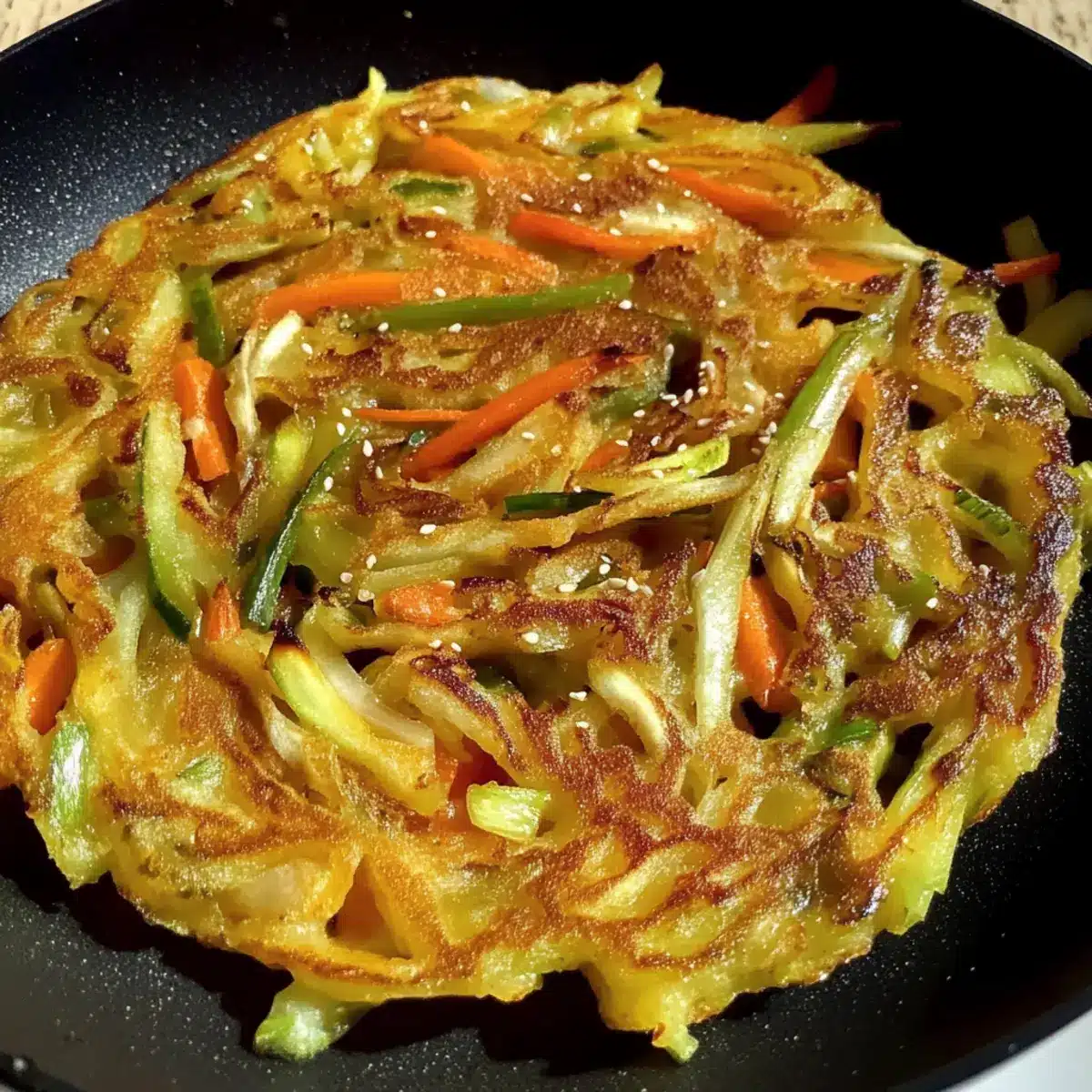
Korean Vegetable Pancakes Recipe FAQs
How do I select the right vegetables for Korean Vegetable Pancakes?
Absolutely! When choosing vegetables, look for fresh, vibrant options. Aim for a mix that includes crunchy textures; I often use green onions, red peppers, and carrots. If you notice dark spots or wilting, it’s best to select another veggie. Feel free to swap in seasonal vegetables to keep things interesting!
What is the best way to store leftover Korean Vegetable Pancakes?
Very simple! Place cooled pancakes in an airtight container in the fridge, where they’ll stay fresh for 2 days. To reheat, use a skillet over medium heat for optimum crispiness. If you have some patience, keeping them in a low oven (around 200°F) for up to 30 minutes will keep them warm and crispy before serving!
Can I freeze Korean Vegetable Pancakes?
Absolutely! To freeze, lay cooked pancakes flat on a baking sheet, separating layers with parchment paper. Once frozen solid, transfer them to a resealable freezer bag. They can last for up to 1 month in the freezer. When you’re ready to enjoy, reheat in the oven at 350°F or in a skillet until they’re delightfully crispy again!
What should I do if my batter is too thick?
No worries! If your batter feels too thick, simply whisk in a bit more water until you reach a smooth, spreadable consistency. The ideal batter should cling to the vegetables without being runny, allowing for a nice texture during cooking. Remember, it’s always easier to add water than to take it away, so go slow while adjusting.
Are Korean Vegetable Pancakes suitable for vegan diets?
Yes, indeed! This recipe is inherently vegan-friendly as it contains no animal products. You can enjoy these crispy delights guilt-free. As always, double-check any additional sauces or optional ingredients you might use to ensure they fit your dietary preferences.
How long can I leave the uncooked batter before using it?
I recommend using the batter immediately after preparation for the best results. If you need to store it, keep it in the fridge for up to 30 minutes maximum. Over time, the cornstarch and flour may separate, which can affect the pancakes’ texture. Just remember to stir it up a bit if you’re storing!
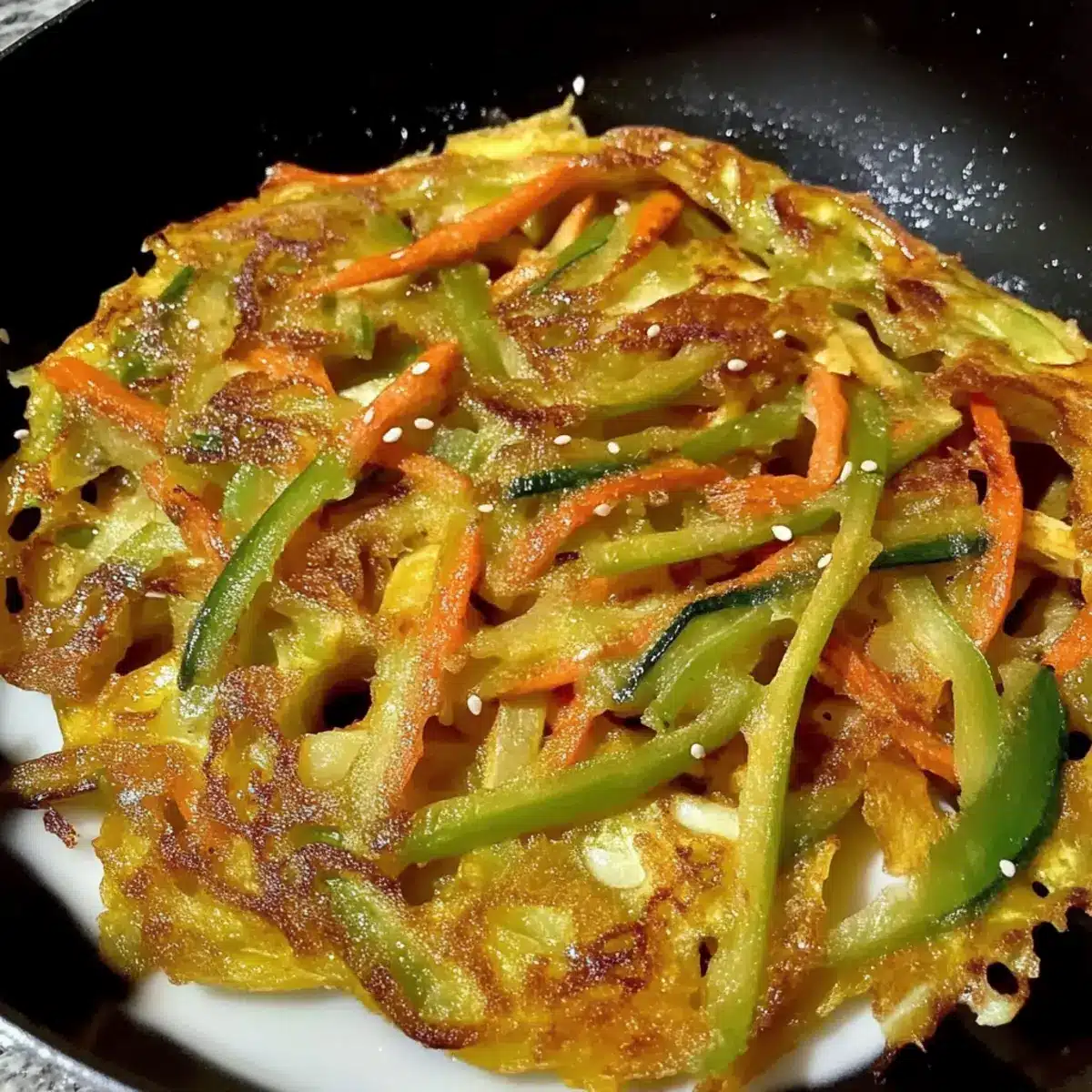
Crispy Korean Vegetable Pancakes for Irresistible Flavor
Ingredients
Equipment
Method
- Prepare the Vegetables by washing and slicing all your fresh veggies. Set aside.
- Make the Batter by mixing flour, cornstarch, turmeric, salt, and baking powder, then whisk in water gradually until smooth.
- Mix Vegetables into the batter gently until coated without overmixing.
- Prepare Dipping Sauce by mixing soy sauce, rice vinegar, sesame oil, sesame seeds, and chili flakes.
- Heat Pan with a generous amount of oil over medium heat until shimmering.
- Cook Pancakes by spooning batter into the pan and cooking until golden brown, about 3-4 minutes per side.
- Repeat Cooking with remaining batter, adding oil as necessary for crispiness.
- Serve warm alongside the dipping sauce.
Leave a Reply