
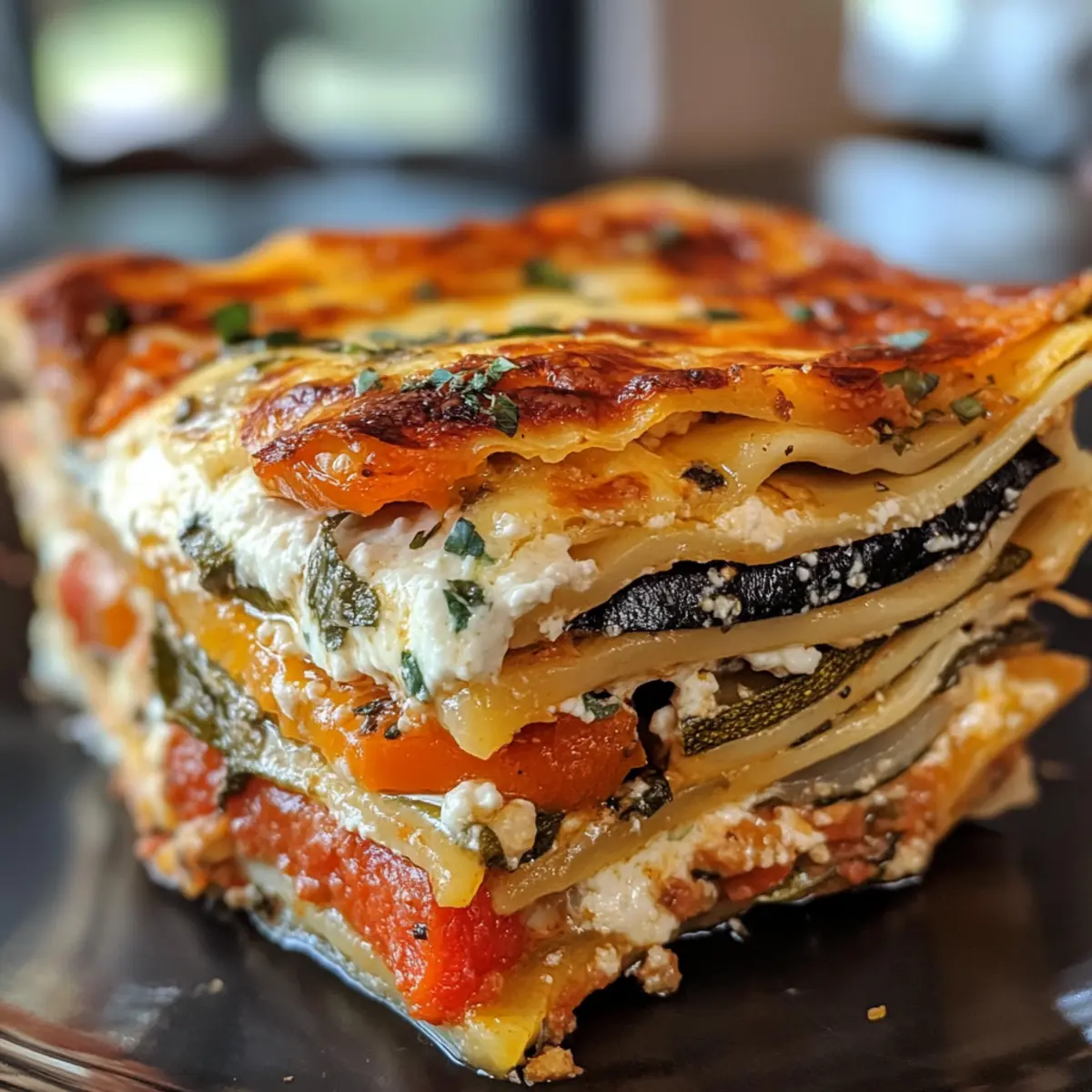
One evening, as the sun dipped below the horizon, I found myself craving the bold, vibrant flavors the Mediterranean has to offer. That’s when I decided to whip up a Layered Mediterranean Vegetable Lasagna with Creamy Ricotta. This recipe is more than just comfort food—it’s a celebration of fresh, roasted vegetables like eggplant and zucchini, enveloped in a luscious, cheesy layer of ricotta and bubbling marinara. It’s a beautiful dish that not only brings a wealth of colors to the table but also offers that much-needed quick prep for busy weeknights. Plus, it’s an impressively hearty option for any dinner gathering! If you’ve been yearning for something deliciously homemade that steers clear of fast food, you’re in for a real treat. What’s the secret ingredient that makes this dish truly unforgettable? Let’s dive in and discover!
Why is this lasagna a must-try?
Bursting with flavor, this Mediterranean Vegetable Lasagna brings the sun-drenched flavors of the Mediterranean right into your kitchen. Easy prep makes this recipe perfect for busy weeknights, ensuring you enjoy a homemade meal without hassle. Colorful layers of roasted vegetables and creamy ricotta create an enticing visual feast, guaranteed to impress your guests. Nutritious and comforting, this dish is a crowd-pleaser that even the pickiest eaters will love. Pair it with a refreshing green salad and a splash of olive oil for a complete meal! Ready for a new favorite dish? You won’t want to miss this delectable experience!
Mediterranean Vegetable Lasagna Ingredients
For the Vegetables
• Eggplant – Provides a meaty texture and absorbs flavors well; you can substitute with zucchini for a lighter option.
• Zucchini – Adds subtle sweetness and keeps the dish juicy; yellow squash works as a good alternative.
• Red and Yellow Bell Peppers – Contribute sweetness and vibrant color; any sweet peppers may work as a substitute.
• Olive Oil – Ensures even roasting and adds rich flavor; avocado oil can be used for a different taste.
• Salt and Pepper – Amplifies the natural flavors of ingredients.
For the Cheese Mixture
• Ricotta Cheese – Adds creaminess and richness; cottage cheese blended smooth or cream cheese can be substituted for variation.
• Mozzarella Cheese – Melts beautifully for gooey texture; consider dairy-free cheese for vegan options.
• Parmesan Cheese – Provides a nutty, salty flavor and creates a crust; nutritional yeast is a great vegan substitute.
• Minced Garlic – Infuses flavor into the ricotta mixture.
• Dried Oregano and Basil – Herbaceous notes that enhance the Mediterranean essence.
For the Lasagna Base
• Lasagna Noodles – Structural component that binds the layers; no-boil noodles can be used for convenience.
• Marinara Sauce – Ties all the layers together; use a high-quality store-bought or homemade sauce for the best flavor.
For the Finishing Touch
• Fresh Basil Leaves – A lovely garnish that adds freshness and visual appeal to the dish.
Get ready to dive into this delightful Mediterranean Vegetable Lasagna that’s not just a meal, but a joyful celebration of tastes!
Step‑by‑Step Instructions for Mediterranean Vegetable Lasagna
Step 1: Preheat the Oven
Start by preheating your oven to 400°F (200°C). While it’s heating, grab a baking sheet and line it with parchment paper to prevent sticking. This step is crucial as it prepares the environment for roasting those delicious vegetables that will elevate your Mediterranean Vegetable Lasagna.
Step 2: Prepare the Vegetables
Slice the eggplant, zucchini, and bell peppers into even pieces for consistent roasting. Spread them out on the lined baking sheet, drizzle with olive oil, and sprinkle generously with salt and pepper. Toss everything to coat, then arrange them into an even layer. The vibrant colors will shine, hinting at the delicious flavor to come as they roast.
Step 3: Roast the Vegetables
Place the baking sheet in the preheated oven and roast the vegetables for about 20 minutes. You’ll know they’re ready when they are tender and have developed a nice char. This process brings out the natural sweetness of the veggies, creating a perfect base for your Mediterranean Vegetable Lasagna.
Step 4: Cook the Lasagna Noodles
While the vegetables are roasting, bring a large pot of salted water to boil. Add the lasagna noodles and cook until al dente, following the package instructions—usually around 8-10 minutes. Drain the noodles well and set them aside, ready to layer in your lasagna once the roasting is done.
Step 5: Mix the Cheese Filling
In a mixing bowl, combine the ricotta cheese with minced garlic, dried oregano, dried basil, salt, and pepper. Stir until the ingredients are well blended and creamy. This flavorful mixture adds a rich, luscious texture to the Mediterranean Vegetable Lasagna, balancing the roasted vegetables beautifully.
Step 6: Begin Layering
Spread 1/2 cup of marinara sauce across the bottom of a 9×13-inch baking dish to prevent sticking. Next, lay down three lasagna noodles side by side on top of the sauce. This creates the first layer, which will support the subsequent layers of vegetables and cheese.
Step 7: Build the First Layer
On top of the first layer of noodles, add half of the roasted vegetables, then half of the ricotta mixture, followed by 1/3 of the mozzarella and Parmesan cheeses. This creates a wonderful layered effect and ensures that every bite of your Mediterranean Vegetable Lasagna is packed with flavor.
Step 8: Repeat the Layers
Repeat the layering process by adding another set of three noodles, the remaining roasted vegetables, the rest of the ricotta mixture, and 1/3 of the remaining mozzarella and Parmesan. Finish with the final layer of noodles, spreading the remaining marinara sauce over the top to keep everything moist during baking.
Step 9: Bake the Lasagna
Cover the baking dish with aluminum foil and place it in the oven. Bake for 25 minutes to allow the flavors to meld. Then, remove the foil and continue baking for an additional 15 minutes. The top should be golden and bubbly, creating an inviting aroma of your Mediterranean Vegetable Lasagna.
Step 10: Let it Rest
Once out of the oven, let the lasagna rest for 10 minutes before slicing. This resting time is essential for setting the layers, making it easier to serve. The enticing aroma will fill your kitchen as you prepare to garnish with fresh basil, adding a pop of color and freshness to each slice.
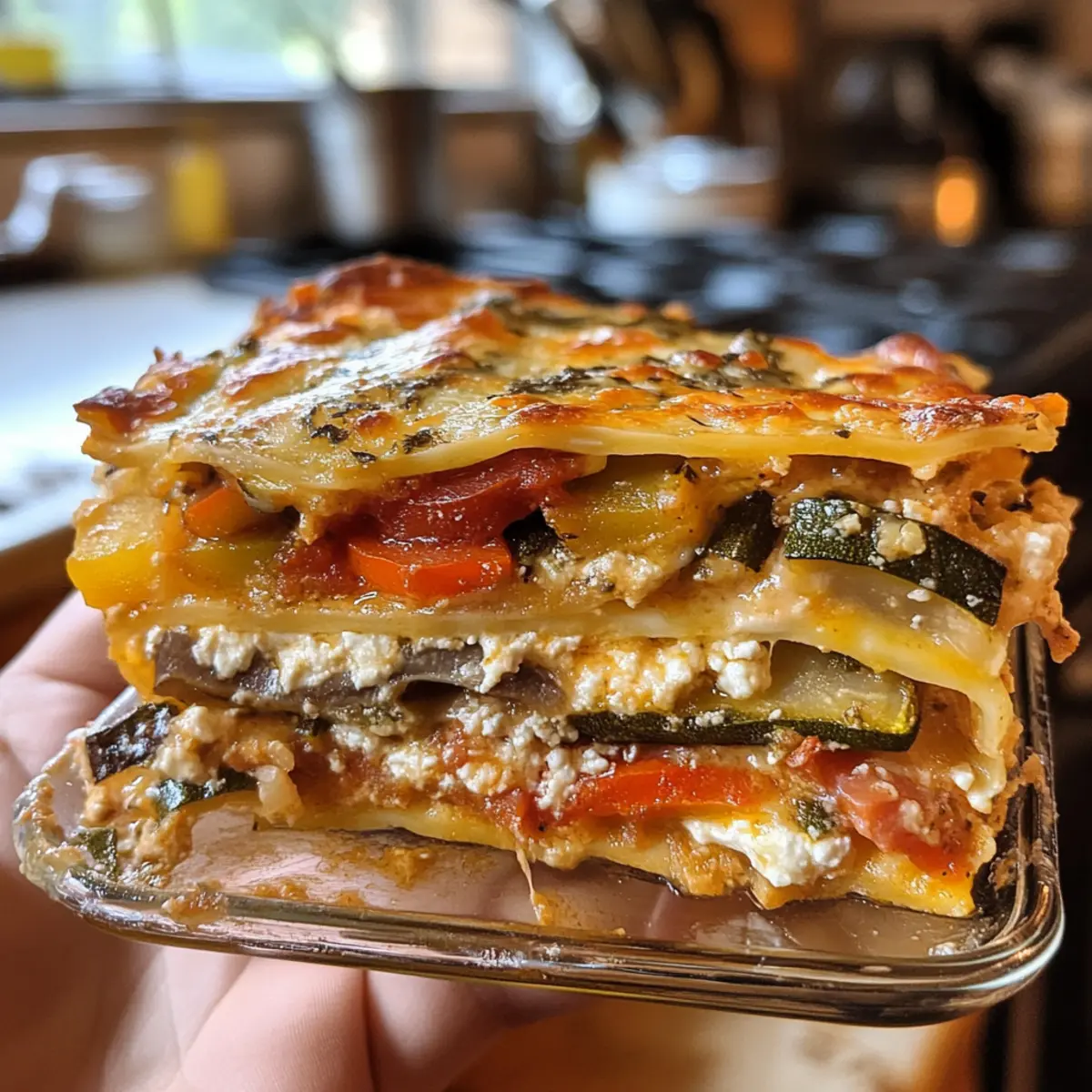
Mediterranean Vegetable Lasagna Variations
Feel free to customize this delightful Mediterranean Vegetable Lasagna to suit your taste buds and dietary needs!
-
Whole Wheat Noodles: Swap traditional lasagna noodles for whole wheat varieties for added fiber and a nutty flavor.
-
Gluten-Free Option: Use gluten-free lasagna noodles to cater to dietary restrictions without compromising on flavor.
-
Extra Veggies: Add mushrooms or spinach for a nutritious boost that enhances both flavor and texture.
-
Plant-Based Ricotta: Replace ricotta with a blend of tofu and nutritional yeast for a creamy vegan alternative, perfect for those adhering to a plant-based diet.
-
Cream Cheese Twist: If you’re looking for a richer bite, mix cream cheese into the ricotta for an ultra-creamy lasagna layer.
-
Spicy Kick: Sprinkle red pepper flakes into your marinara sauce for a delightful heat that elevates the flavor profile of the dish.
-
Mixed Cheese Melange: Experiment by adding provolone or gouda for a unique twist on the classic cheese layers, giving a whole new flavor dimension.
-
Herb Infusion: Fresh herbs like thyme or parsley can be mixed into both the cheese and vegetable layers to elevate the herbal notes beautifully.
These creative variations open up endless possibilities for this comforting dish. Explore and enjoy making it uniquely yours! If you’re looking for even more inspiration, check out our recipes for vegetable lasagna or discover delicious vegan options that can easily fit into your meal plans.
What to Serve with Layered Mediterranean Vegetable Lasagna
Imagine a colorful feast that brings the essence of the Mediterranean right to your dining table.
-
Crisp Green Salad: A refreshing mix of greens and cherry tomatoes adds a vibrant crunch to balance the rich lasagna.
-
Garlic Bread: Warm, crispy bread with fragrant garlic butter will complement the creamy layers, perfect for soaking up extra marinara.
-
Roasted Asparagus: Lightly seasoned and roasted, asparagus provides a lovely texture contrast while keeping the meal feeling fresh and healthy.
-
Sparkling Water with Lemon: This citrusy drink cleanses the palate and enhances the meal without competing with the rich flavors of the lasagna.
-
Tiramisu for Dessert: End the meal on a sweet note with this classic Italian dessert, offering a perfect creamy finish to a hearty dish.
Enjoy mixing and matching these pairings to create a delightful dining experience!
How to Store and Freeze Mediterranean Vegetable Lasagna
Fridge: Store any leftover Mediterranean Vegetable Lasagna in an airtight container for up to 3-5 days. This keeps the flavors fresh and ready for your next meal.
Freezer: For longer storage, freeze the lasagna in an airtight container or tightly wrapped in foil for up to 3 months. Thaw overnight in the refrigerator before reheating.
Reheating: To reheat, place slices in an oven-safe dish, cover with foil, and warm at 350°F (175°C) for 20-30 minutes until heated through. Enjoy the delightful layers!
Make Ahead Options
These Mediterranean Vegetable Lasagna layers are perfect for meal prep enthusiasts! You can prepare the roasted vegetables and cheese mixture up to 24 hours in advance, storing them in the refrigerator to maintain their freshness. Simply roast the vegetables and mix the ricotta blend ahead of time, allowing the flavors to meld together beautifully. When you’re ready to serve, layer everything in the baking dish with the noodles and marinara, then bake as instructed. This means you can enjoy a comforting homemade meal with minimal effort on a busy weeknight, ensuring that every slice is just as delicious as if it were freshly made!
Expert Tips for Mediterranean Vegetable Lasagna
-
Even Slicing: Always slice the vegetables evenly to ensure consistent cooking. This helps avoid any unevenly cooked textures in your Mediterranean Vegetable Lasagna.
-
Resting Time: Allow the lasagna to rest for 10 minutes after baking. This step is crucial for the layers to set, making it much easier to slice and serve.
-
Broiling for Crispiness: For a delightful crispy top, consider broiling the lasagna for the last few minutes of baking. Just keep a close eye to prevent burning and achieve that perfect golden crust.
-
Quality Ingredients: Use high-quality marinara sauce, whether store-bought or homemade, for a rich flavor. It’s a key component that ties all the layers of your Mediterranean Vegetable Lasagna together.
-
Creative Substitutions: Don’t hesitate to customize! Experiment with different vegetables or cheeses to suit your taste—this recipe is flexible, making it perfect for personal twists.
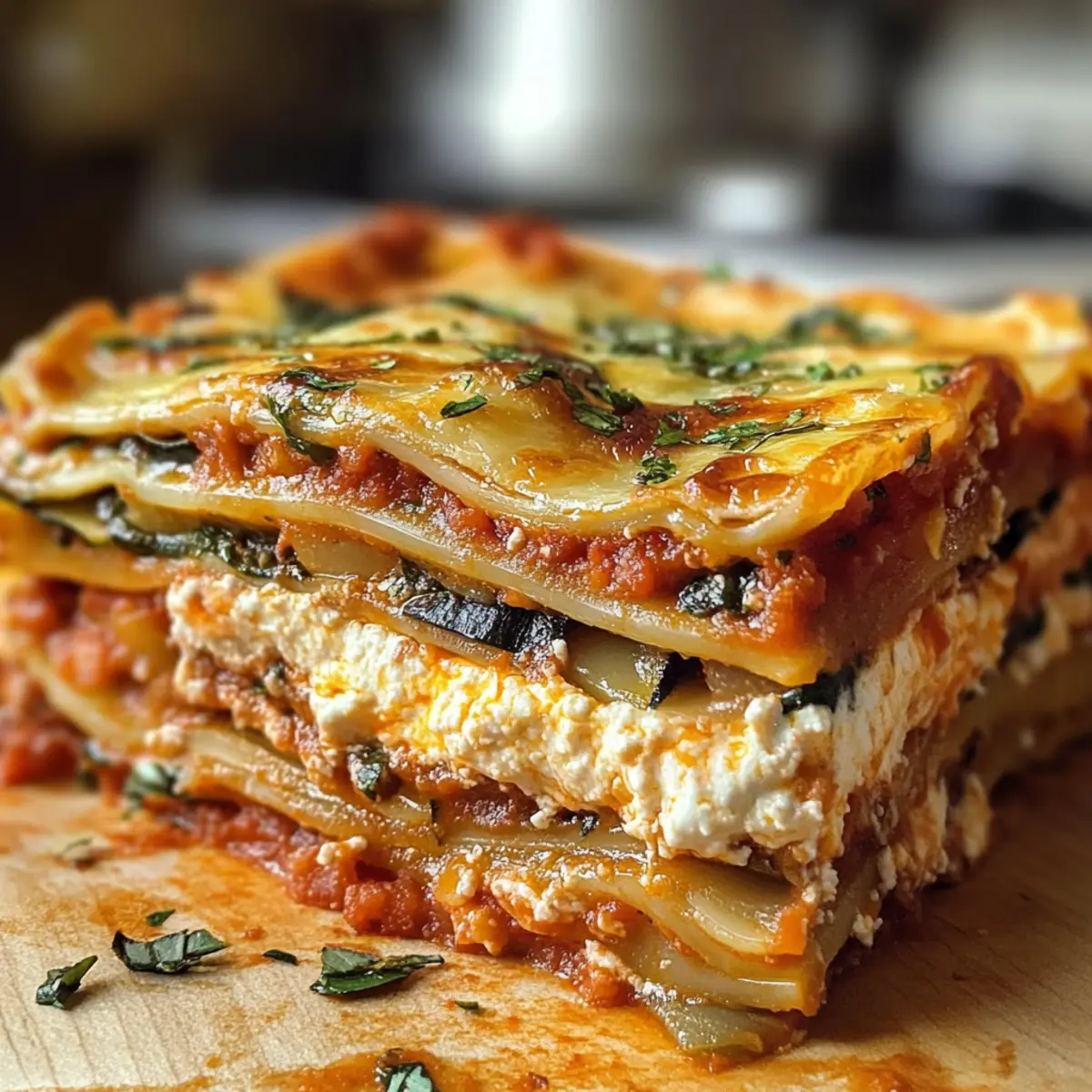
Mediterranean Vegetable Lasagna Recipe FAQs
How do I choose the right eggplant for this recipe?
Absolutely! Look for eggplants that are firm to the touch and have a smooth, shiny exterior. Avoid those with dark spots all over, as they can be overripe. A medium-sized eggplant is typically best for this lasagna since it’s easier to slice.
What’s the best way to store leftover Mediterranean Vegetable Lasagna?
For sure! Store any leftover lasagna in an airtight container in the fridge for up to 3-5 days. This keeps the flavors fresh for your next meal. If you want to keep it longer, you can freeze it for up to 3 months—just thaw it in the refrigerator overnight before reheating.
Can I freeze Mediterranean Vegetable Lasagna?
Yes, definitely! To freeze, let the lasagna cool completely, then wrap it in plastic wrap and aluminum foil, or place it in an airtight container. For the best quality, consume it within 3 months. When you’re ready to enjoy it, thaw overnight in the fridge and then reheat in the oven.
What if the vegetables are too watery?
No worries! If your roasted vegetables release too much moisture, you can add a layer of breadcrumbs between the layers to absorb the excess liquid. Additionally, make sure to roast the vegetables until they’re tender and slightly charred, which helps reduce moisture as well!
Are there any dietary considerations for this Mediterranean Vegetable Lasagna?
Very much so! This lasagna can easily be adapted for various dietary needs. You can substitute the ricotta cheese with a plant-based alternative for a vegan dish. Also, make sure to use gluten-free lasagna noodles if needed. Always double-check for any allergies with the ingredients, especially for cheese and nuts.
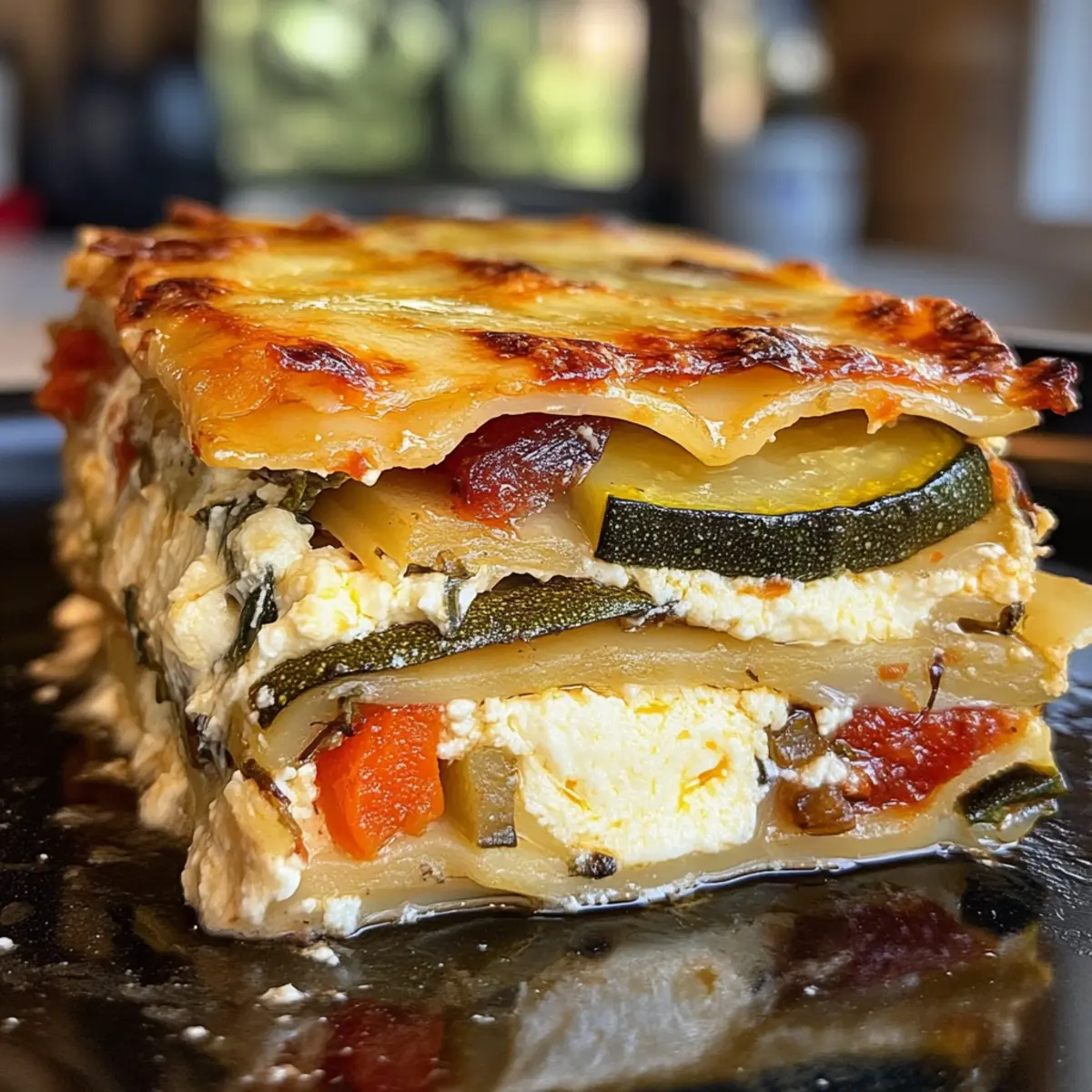
Mediterranean Vegetable Lasagna: A Creamy, Colorful Delight
Ingredients
Equipment
Method
- Preheat your oven to 400°F (200°C) and line a baking sheet with parchment paper.
- Slice the eggplant, zucchini, and bell peppers into even pieces. Toss with olive oil, salt, and pepper, and spread onto the baking sheet.
- Roast the vegetables for about 20 minutes until tender and charred.
- While the vegetables roast, bring a large pot of salted water to boil and cook lasagna noodles until al dente (8-10 minutes). Drain and set aside.
- In a mixing bowl, combine ricotta cheese with garlic, oregano, basil, salt, and pepper until smooth.
- Spread 1/2 cup of marinara sauce in a 9x13-inch baking dish. Lay down three noodles on top.
- On top of the noodles, add half of the roasted vegetables, half of the ricotta mixture, and 1/3 of both mozzarella and Parmesan.
- Repeat with another layer of three noodles, remaining vegetables, remaining ricotta, and more cheese. Finish with a final layer of noodles topped with remaining marinara.
- Cover with aluminum foil and bake for 25 minutes, then uncover and bake for an additional 15 minutes until golden.
- Let the lasagna rest for 10 minutes before slicing. Garnish with fresh basil.
Leave a Reply