
The rich aroma of simmering tomatoes and spices fills the kitchen, transporting me to a cozy Italian trattoria. There’s something undeniably magical about making the best homemade lasagna—layers of tender noodles cradling a hearty meat sauce and creamy cheese create a warm, inviting dish that effortlessly brings family and friends to the table. This recipe stands out not only for its accessibility but also for the way it transforms simple ingredients into a heartfelt Italian dinner that’s perfect for any occasion. Whether you’re a seasoned chef or a beginner, you’ll discover how easy it is to whip up this comforting classic. And the icing on the cake? It’s freezer-friendly, making meal prep a breeze! So, are you ready to dive into the delightful world of homemade lasagna?
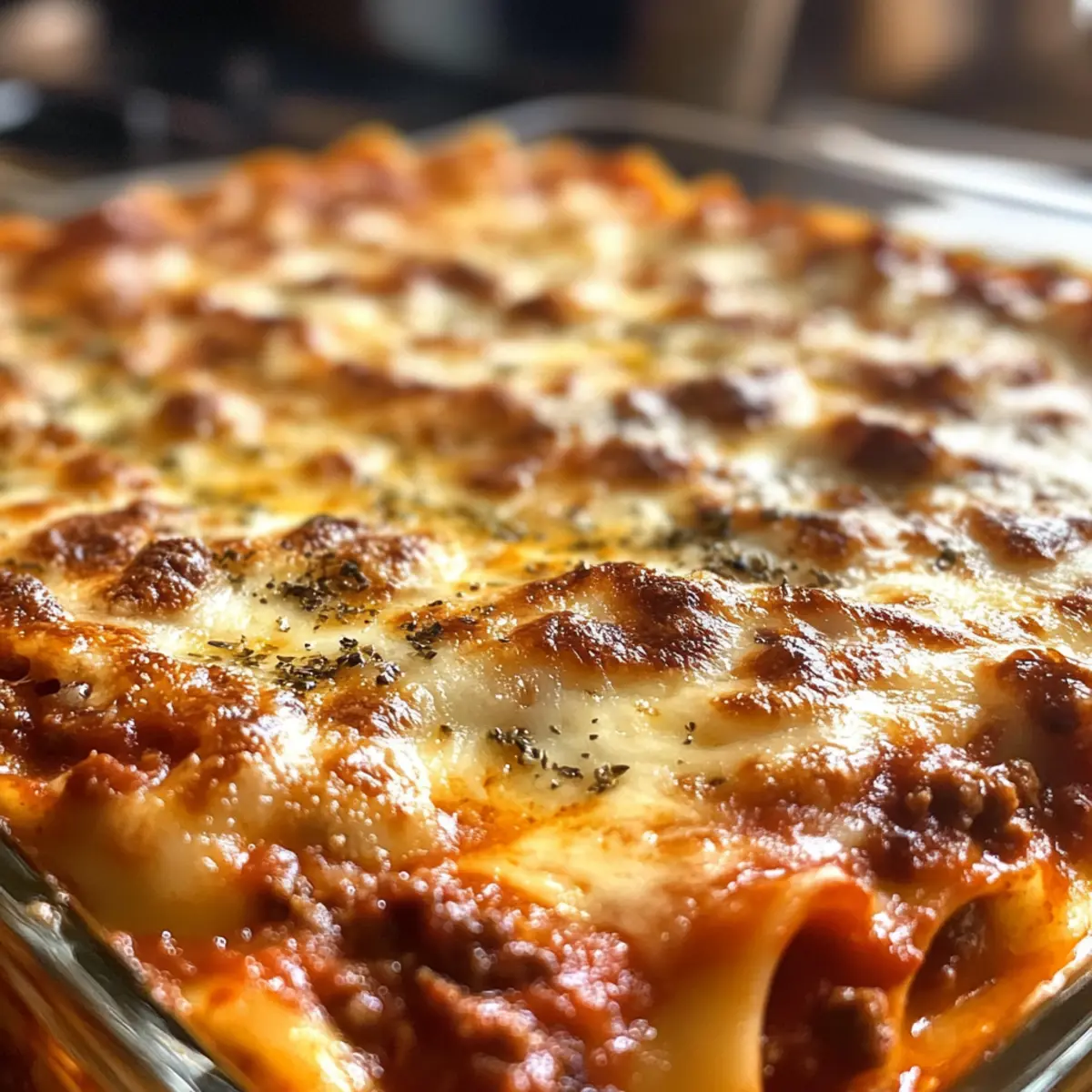
Why is homemade lasagna so special?
Comforting and hearty, this homemade lasagna will become your new family favorite! Layer upon layer of rich meat sauce and creamy cheeses create a dish that’s pure bliss in every bite. Effortless preparation means you can easily impress guests, and the freezer-friendly nature allows for convenient meals anytime. Substitution suggestions keep it versatile, accommodating all tastes. Dive into this beautiful Italian classic, and enjoy a meal that brings everyone to the table!
Homemade Lasagna Ingredients
For the Meat Sauce
• Olive Oil – Used for sautéing; you can substitute with any cooking oil you have on hand.
• Yellow Onion – Adds sweetness and depth to the sauce; shallots work well for a milder flavor.
• Garlic – Provides aromatic flavor; fresh garlic is best, but garlic powder can work in a pinch.
• Ground Beef (93/7) – The primary protein source; try ground turkey or a plant-based meat for a lighter dish.
• Diced Tomatoes (14.5 oz can) – Adds acidity and moisture; fire-roasted gives a lovely smoky flavor.
• Tomato Sauce (15 oz cans, 2) – Forms the base of your sauce; homemade sauce or marinara can be substituted.
• Water – Adjusts sauce consistency; use less if you prefer a thicker sauce.
• Bay Leaves – Infuse herbal flavor; remember to remove before serving.
• Dried Basil – Elevates the Italian flavor; fresh basil is a delightful alternative if available.
• Granulated Sugar – Balances acidity; adjust to taste for a sweeter finish.
• Italian Seasoning – A fragrant blend of herbs that adds depth to the dish.
• Salt – Essential for seasoning; adjust according to your taste preferences.
• Black Pepper – Adds a subtle spice; feel free to adjust for personal preference.
For the Cheese Mixture
• Mozzarella Cheese (8 oz + 4 oz for topping) – Imparts creaminess and stretch; part-skim offers a lighter option.
• Parmesan Cheese (1/2 cup) – Gives a nutty flavor that enhances the cheese layer.
• Whole Milk Ricotta Cheese (2 cups) – Creates a creamy layer; cottage cheese can be a healthier substitute.
For the Lasagna Structure
• Lasagna Noodles (1 pound) – The essential base; no-boil noodles can simplify your cooking process.
This homemade lasagna will surely impress everyone at the dinner table with its delightful flavors!
Step‑by‑Step Instructions for Homemade Lasagna
Step 1: Prepare Meat Sauce
In a large skillet, heat 2 tablespoons of olive oil over medium heat. Add one chopped yellow onion and sauté for about 3-4 minutes until translucent. Stir in 3 cloves of minced garlic and cook for another minute before adding 1 pound of ground beef. Brown the meat until fully cooked, approximately 8-10 minutes. Then, mix in one can of diced tomatoes, two cans of tomato sauce, half a cup of water, two bay leaves, and season with dried basil, sugar, Italian seasoning, salt, and black pepper. Bring to a boil and let simmer for 1-2 hours until thickened, stirring occasionally.
Step 2: Make Cheese Mixture
While the meat sauce simmers, prepare the cheese mixture. In a large mixing bowl, combine 2 cups of ricotta cheese, 8 ounces of shredded mozzarella cheese, and half a cup of grated Parmesan cheese. Add 1 teaspoon of dried basil, 2 tablespoons of chopped parsley, and a pinch of salt and pepper. Mix well until all ingredients are incorporated and set the bowl aside, allowing the flavors to blend.
Step 3: Boil Noodles
Bring a large pot of salted water to a rolling boil. Cook 1 pound of lasagna noodles according to package directions, boiling for about 2/3 of the recommended time to avoid overcooking. Once slightly softened, drain the noodles in a colander and quickly soak them in cold water to stop the cooking process. This helps them retain their texture while layering the homemade lasagna.
Step 4: Layer Lasagna
Preheat your oven to 375°F (190°C). In a greased 9×13 inch baking dish, spread a thin layer of the meat sauce at the bottom. Place a layer of noodles over the sauce, covering the dish evenly. Add half of the cheese mixture over the noodles, followed by more meat sauce. Repeat the layering process, finishing with a final layer of noodles and the remaining sauce. Top the lasagna with the remaining shredded mozzarella cheese for a bubbly finish.
Step 5: Bake
Cover the dish with greased aluminum foil, ensuring it doesn’t touch the cheese. Bake the homemade lasagna in the preheated oven at 375°F for 45 minutes. After baking, remove the foil and allow the lasagna to bake uncovered for an additional 15 minutes, or until the top is golden brown and bubbly.
Step 6: Rest and Serve
Once out of the oven, let the lasagna cool for 20-30 minutes to set, making it easier to slice. Before serving, sprinkle some dried herbs on top for added flavor. Cut into squares, serve warm, and relish the comforting layers of your delicious homemade lasagna!
Make Ahead Options
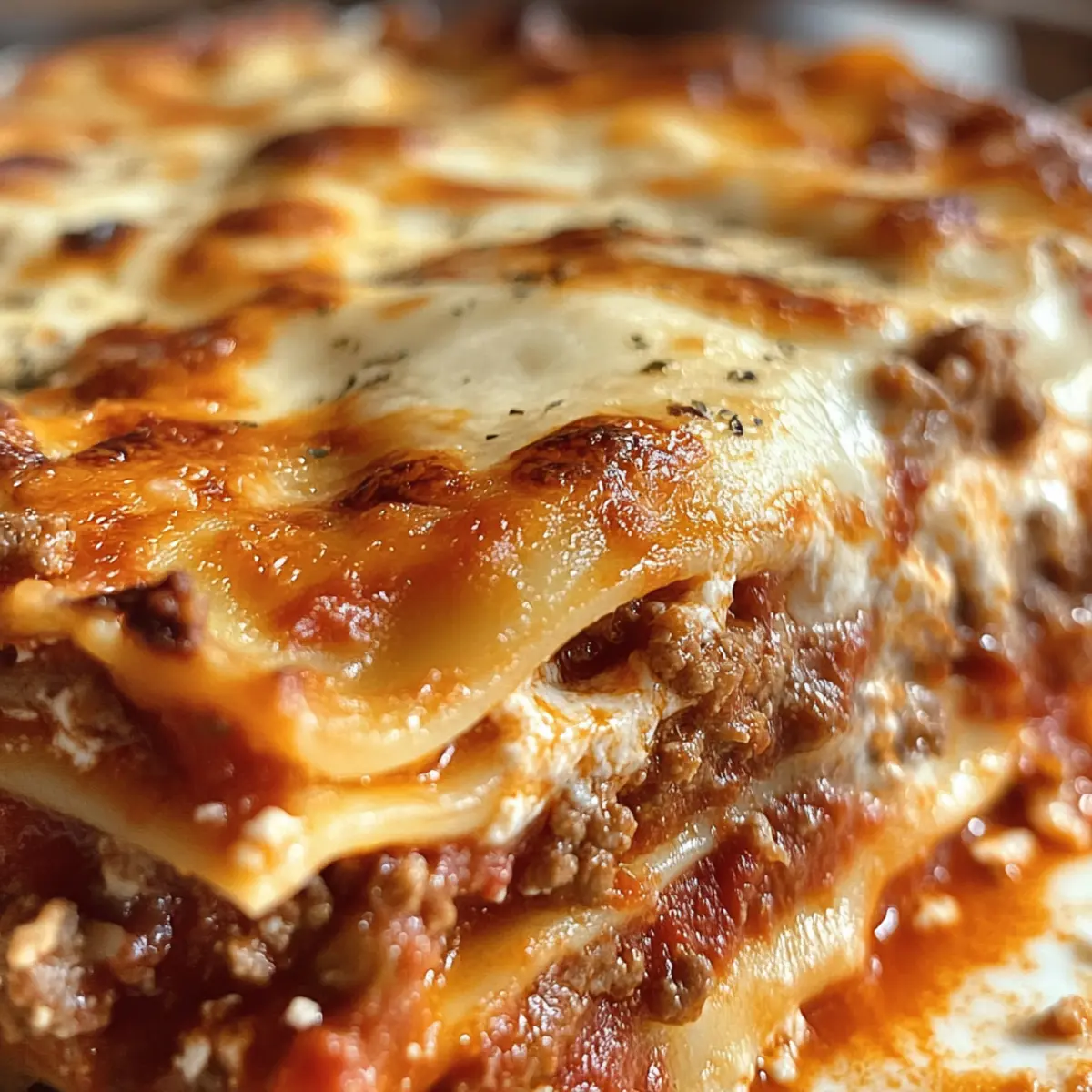
These best homemade lasagna layers are perfect for meal prep! You can prepare the meat sauce and cheese mixture up to 3 days in advance, storing them in the refrigerator for maximum freshness. Additionally, you can assemble the entire lasagna (without baking) up to 24 hours ahead; just cover it tightly with aluminum foil to keep it moist. When you’re ready to serve, bake the lasagna straight from the fridge at 375°F for about 60 minutes, adding 10-15 minutes to the baking time since it’s cold. This way, you’ll enjoy a delightful homemade lasagna that tastes just as delicious with minimal effort on busy weeknights!
What to Serve with Best Homemade Lasagna
Let the comforting layers of your lasagna inspire a full Italian feast that will tantalize the taste buds and warm every heart around the table.
-
Garlic Bread: Perfectly toasted and buttery, garlic bread offers a crunchy contrast to cheesy lasagna, making each bite even more delightful.
-
Caesar Salad: Crisp romaine lettuce, creamy dressing, and crunchy croutons bring brightness to your meal, cutting through the richness of the lasagna.
-
Roasted Vegetables: A medley of seasoned zucchini, bell peppers, and carrots adds a burst of color and flavor, enhancing the overall plate balance.
-
Spinach Salad with Balsamic Vinaigrette: Fresh spinach drizzled with tangy dressing provides a refreshing counterpoint to the hearty lasagna, making each forkful feel light yet satisfying.
-
Italian Red Wine: A glass of Chianti or Sangiovese pairs beautifully with the savory flavors of the lasagna, elevating the dining experience with each sip.
-
Tiramisu: End the meal on a sweet note! This creamy coffee-flavored dessert provides a rich yet light finish to your Italian dinner, leaving everyone feeling satisfied.
Each of these sides is designed to complement the layers of your homemade lasagna while adding their unique touch to create a memorable dining experience.
Homemade Lasagna Variations & Substitutions
Ready to give your homemade lasagna a personal touch? Let’s explore delightful twists that’ll elevate your dish!
- Lean Protein: Swap out ground beef for ground turkey or a plant-based meat alternative for a lighter yet satisfying option.
- Veggie Boost: Add layers of sautéed spinach, mushrooms, or zucchini between cheese and noodles for added nutrition and flavor. Think of it as a garden party in your lasagna, bursting with freshness.
- Cheese Swap: Replace ricotta with a blend of cottage cheese and cream cheese for a tangy twist that still maintains the creamy texture.
- Herb Enhancer: Infuse freshness by swapping dried spices with fresh herbs like oregano or basil — they’ll add vibrant flavors that dance on your palate!
- Heat It Up: For a spicy kick, sprinkle in crushed red pepper flakes or diced jalapeños into your meat sauce. A small change can ignite your taste buds!
- Smoky Flavor: Instead of diced tomatoes, use fire-roasted ones for a smoky flavor that enhances the overall taste.
- Noodle Convenience: Use no-boil lasagna noodles for lightning-fast preparation that doesn’t compromise on the taste of your dish.
- Make It Vegan: Substitute all dairy ingredients with plant-based options. Silken tofu works great for ricotta, while cashew cheese can stand in for mozzarella.
Feel free to experiment with these variations and maybe even check out how to make homemade marinara for a fresh sauce option! Each little tweak brings you one step closer to finding the lasagna recipe that feels just right for you and your loved ones.
How to Store and Freeze Homemade Lasagna
Fridge: Store any leftover homemade lasagna in an airtight container for up to 5 days. This keeps it fresh and ready for quick meals throughout the week.
Freezer: For longer storage, wrap your lasagna tightly in plastic wrap, followed by aluminum foil, and freeze for up to 2 months. This helps maintain its flavor and texture.
Reheating: To reheat, thaw in the fridge overnight, then bake at 350°F (175°C) for about 25-30 minutes until heated through. You can add a little extra cheese on top for a bubbly finish!
Portioning: Consider cutting the lasagna into individual portions before freezing. This allows for easy meal preparation on busy days without having to defrost the entire dish.
Expert Tips for Homemade Lasagna
- Resting Time: Allow the lasagna to sit for at least 20-30 minutes after baking to set properly, making it much easier to slice without falling apart.
- Noodle Prep: Avoid overcooking the lasagna noodles during boiling; they will continue to cook in the oven and may become mushy if overdone.
- Cheese Layer: For an extra creamy texture, consider adding an egg to the cheese mixture, which helps to bind the ingredients and adds richness to your homemade lasagna.
- Flavor Boost: Experiment by adding Italian sausage to the meat sauce for a flavorful twist. This not only enhances the depth but adds a delightful kick.
- Herb Variations: Use fresh herbs if available; they can elevate the taste of your homemade lasagna, making the dish even more aromatic and inviting.
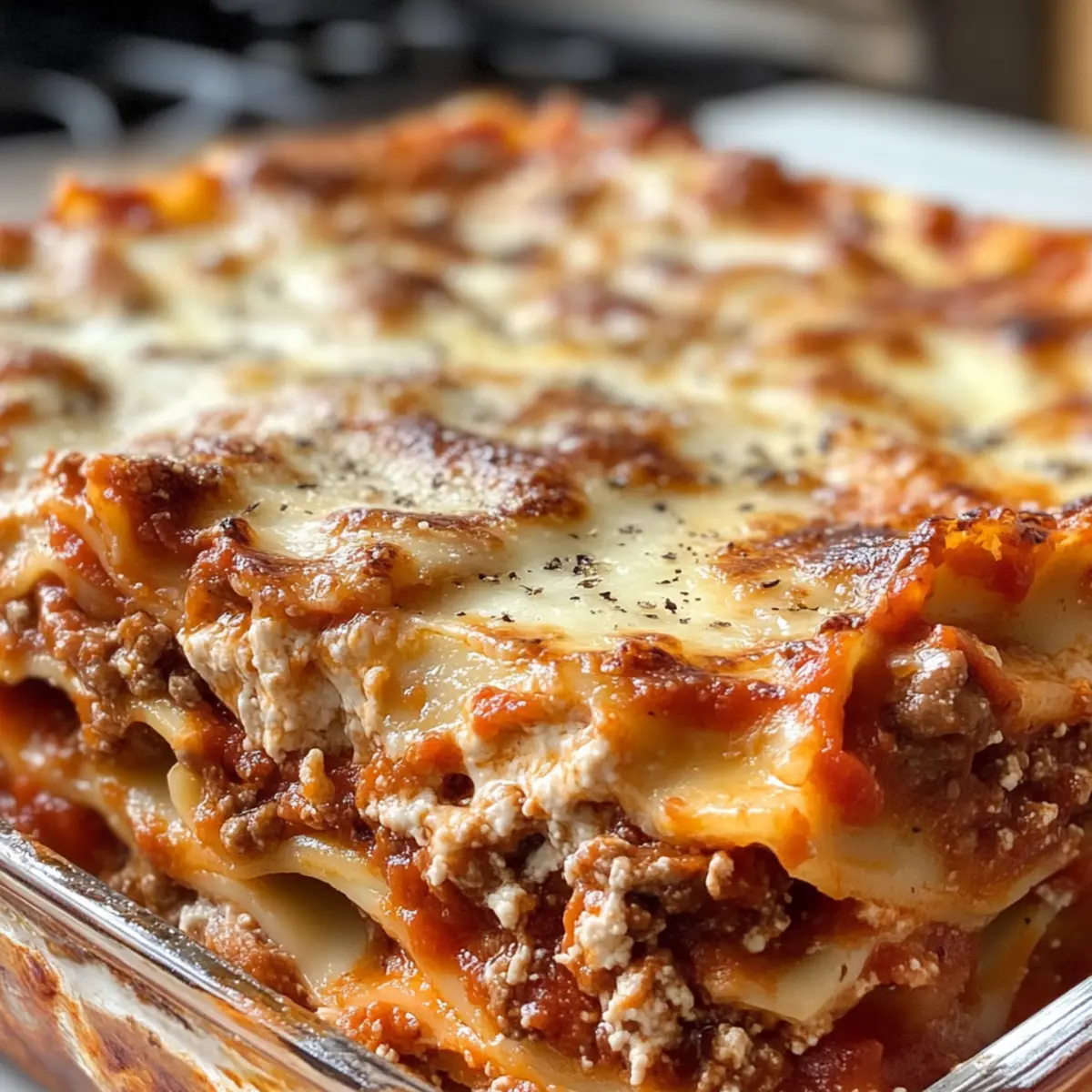
Best Homemade Lasagna Recipe FAQs
How do I choose the right tomatoes for my lasagna?
When selecting diced tomatoes for your homemade lasagna, I recommend opting for fire-roasted varieties if you’re looking to add a smoky flavor. Look for canned tomatoes without added sugar or preservatives for a fresher taste. If you’re using fresh tomatoes, aim for ripe ones with deep color and a slight give when gently squeezed.
How should I store leftover lasagna?
Absolutely! Store any leftover homemade lasagna in an airtight container in the fridge for up to 5 days. This keeps the flavors intact and makes for quick meal options all week. Make sure to cover it properly to prevent it from drying out.
Can I freeze homemade lasagna?
Yes, you can! To freeze your homemade lasagna, I suggest wrapping it tightly in plastic wrap and then in aluminum foil to keep it fresh for up to 2 months. When you’re ready to enjoy it again, simply thaw it in the fridge overnight, then bake at 350°F (175°C) for about 25-30 minutes until completely heated through.
What if my lasagna is watery after baking?
If you find your homemade lasagna is watery, it might be due to not simmering the meat sauce long enough or using too many watery vegetables like zucchini or mushrooms. To remedy this, try to let the sauce simmer longer—1 to 2 hours should do the trick—to allow it to thicken up. You can also layer the noodles and sauce with a bit of time between layers to help absorb excess moisture.
Are there any dietary considerations for this recipe?
If you’re preparing this lasagna for someone with dietary restrictions, it’s great to know that there are simple substitutions. Use ground turkey or a plant-based meat substitute for a leaner dish. For dairy allergies, try a vegan cheese alternative or just skip the cheese altogether. Always check labels when using canned goods to avoid allergens.
Can I use no-boil noodles, and how do I adjust cooking times?
Certainly! If you choose to use no-boil noodles for your homemade lasagna, you can skip the boiling step altogether. Just layer them in as is, and ensure your meat sauce is a bit on the thinner side to provide enough moisture during baking. Follow the same baking step, but reduce the baking time by about 10 minutes, as they will cook while the lasagna is in the oven!
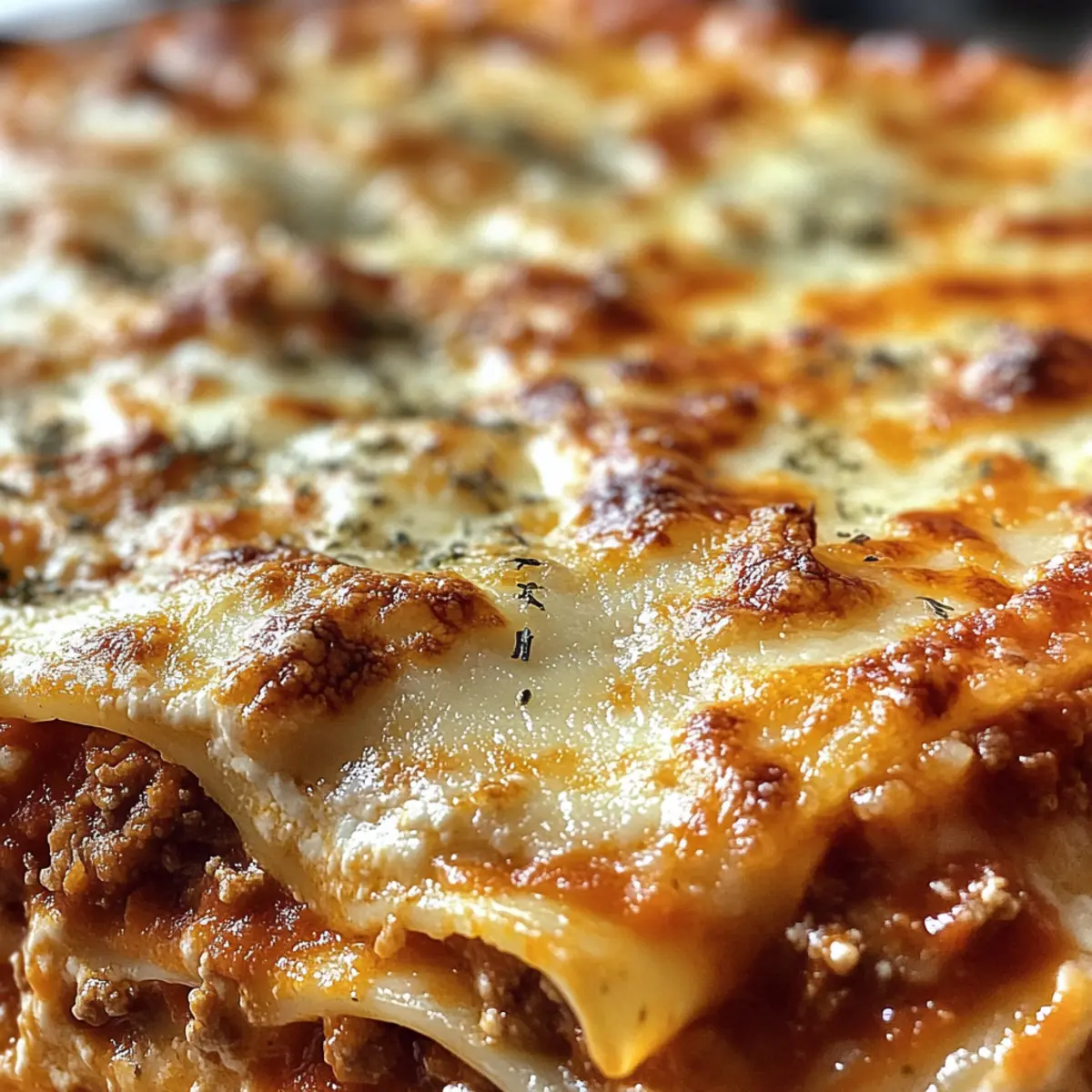
Irresistibly Cheesy Homemade Lasagna That Feels Like Home
Ingredients
Equipment
Method
- In a large skillet, heat olive oil over medium heat. Add chopped onion and sauté until translucent. Stir in minced garlic, then add ground beef and cook until browned. Mix in diced tomatoes, tomato sauce, water, bay leaves, and seasonings. Simmer for 1-2 hours.
- In a mixing bowl, combine ricotta cheese, mozzarella cheese, Parmesan cheese, dried basil, chopped parsley, salt, and pepper. Mix until well combined and set aside.
- Boil lasagna noodles according to package directions, cooking for about 2/3 of the recommended time. Drain and soak in cold water to stop cooking.
- Preheat oven to 375°F (190°C). In a greased baking dish, spread a thin layer of meat sauce, layer noodles, cheese mixture, and more meat sauce. Repeat layers finishing with noodles and remaining sauce. Top with mozzarella cheese.
- Cover with greased foil and bake for 45 minutes. Remove foil and bake uncovered for an additional 15 minutes until golden brown.
- Let cool for 20-30 minutes before slicing. Serve warm, optionally garnished with dried herbs.
Leave a Reply