
As the rich aroma of simmering beef fills my kitchen, I can’t help but feel a wave of nostalgia, transporting me back to cozy family dinners filled with warmth and laughter. This Slow-Cooked Beef Carbonnade, a comforting stew braised in beer, is my go-to remedy for chilly evenings and busy weeknights. The robust tenderness of the beef, combined with zesty mustard, earthy mushrooms, and caramelized onions, transforms this dish into a melt-in-your-mouth experience that’s both satisfying and soul-warming. Not only is this recipe a true crowd-pleaser, but it also allows you the flexibility to adapt it to your pantry—whether you’re a beer enthusiast or prefer a red wine substitution. Ready to embark on a culinary adventure that enhances your homemade meals? Let’s dive into this delectable journey together!
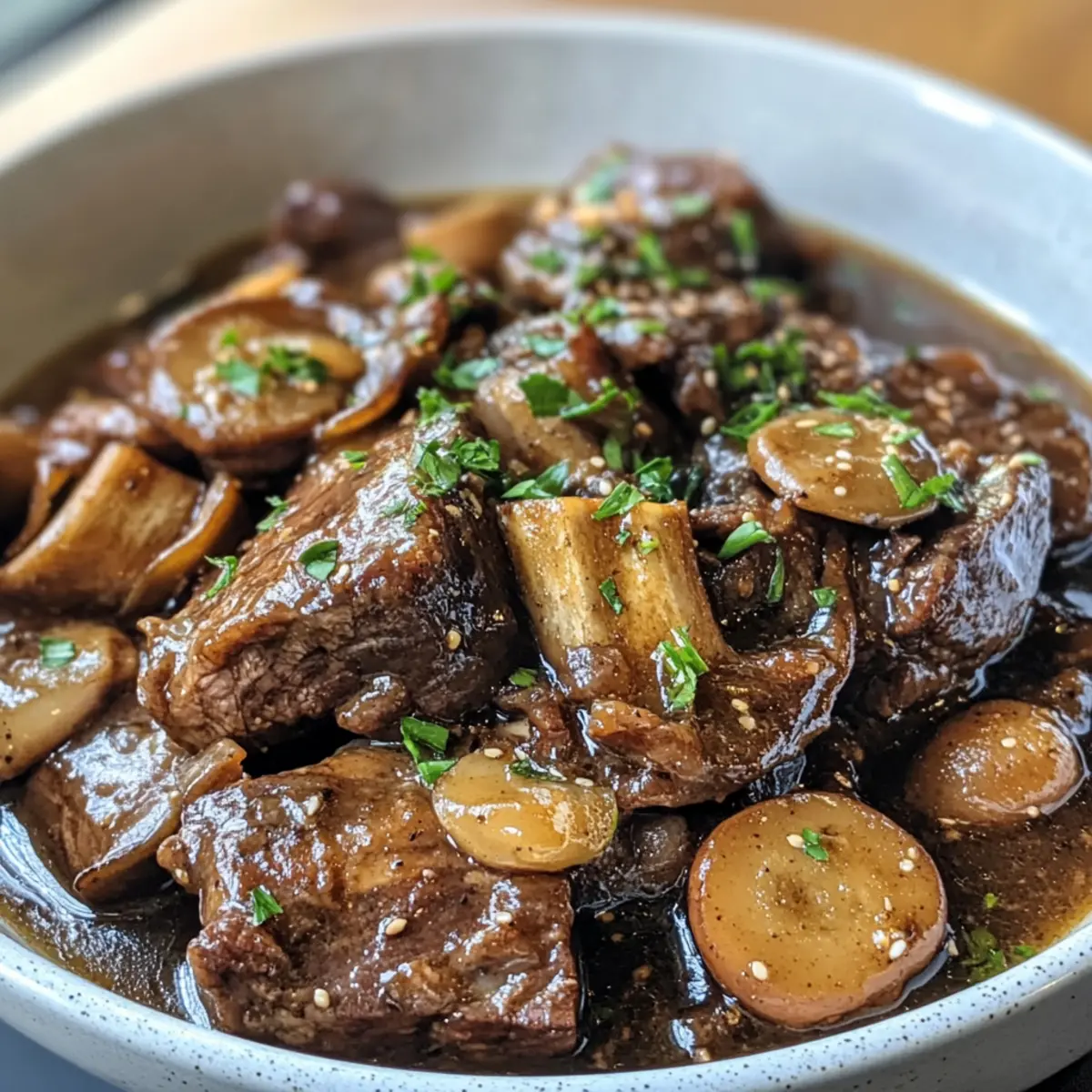
Why is Beef Carbonnade irresistible?
Comforting: This hearty stew feels like a warm embrace on a chilly night—ideal for family gatherings or cozy dinners.
Flavor Explosion: The rich blend of beer, mustard, and earthy mushrooms creates an exceptional taste that tantalizes your taste buds.
Effortless Cooking: Simply brown, simmer, and let the slow-cooker (or oven) do the work, saving you time and energy.
Adapts to You: Not a beer fan? Swap in red wine! Want something different? Try lamb for a delightful twist.
Perfect Pairing: Serve with crusty bread or over mustard butter mashed potatoes to elevate your meal to new heights.
Dive into comfort by checking out my other favorites like Mini Beef Wellington or a delicious Apple Crisp Korean for family dessert options!
Beef Carbonnade Ingredients
For the Stew
• Beef Short Ribs – Essential for a tender, flavorful base; choose trimmed ribs for best results.
• Olive Oil – Used for sautéing the meat and vegetables; can substitute with beef tallow or any cooking oil.
• Plain/All-Purpose Flour – Dusts beef for browning, enhancing flavor through a Maillard reaction; no direct substitute recommended, but can use gluten-free flour.
• Carrot – Adds sweetness and depth to the stew; can substitute with parsnip for a slightly different flavor.
• Brown Onions – Base aromatics providing sweetness and depth; shallots can be a milder alternative.
• Button Mushrooms – Contribute umami flavor and texture; swap with cremini or portobello for richer taste.
• Speck – Adds smokiness; can substitute with bacon or omit for a lighter version.
• Tomato Paste – Adds acidity for balanced flavors; can use crushed tomatoes as an alternative.
• Garlic – Enhances overall flavor profile; no suggested substitutions.
• Wholegrain Mustard – Provides tang and depth of flavor; any mustard can work as a substitute if needed.
• Fresh Thyme and Rosemary – Offer aromatic freshness; dried herbs can be used in smaller amounts.
• Beer – Key cooking liquid; use any lager or substitute with red wine and additional beef stock for a non-beer option.
• Beef Stock – Base liquid for the stew; homemade is ideal but store-bought works well too.
Step‑by‑Step Instructions for Beef Carbonnade
Step 1: Preheat the Oven
Preheat your oven to 160°C (320°F) to prepare for slow cooking your Beef Carbonnade. This low and slow process ensures the beef becomes melt-in-your-mouth tender. While the oven warms, gather your ingredients and equipment, including a large casserole dish for browning and simmering.
Step 2: Prepare the Beef
Cut your beef short ribs into manageable pieces, ensuring they are well-trimmed. Dust each piece lightly with plain flour to enhance the browning process. This step is crucial for developing the rich flavors that will elevate your Beef Carbonnade as it cooks.
Step 3: Brown the Ribs
In your casserole dish, heat a generous drizzle of olive oil over medium-high heat. Sear the dusted ribs in batches, allowing them to attain a deep brown color on all sides (about 4-5 minutes per side). Once browned, set them aside on a plate, letting the delicious caramelization develop at the bottom of the pot.
Step 4: Sauté the Vegetables
In the same pot, add your chopped carrots, sliced onions, and button mushrooms. Sauté for about 5-7 minutes until the vegetables soften and the onions become translucent. This step builds a flavorful base for your Beef Carbonnade, releasing aromatic scents into the air.
Step 5: Add Flavorings
Stir in tomato paste and minced garlic, cooking for an additional 1-2 minutes until fragrant. This will add depth to your stew and help the flavors meld together. The mixture should bubble gently as it cooks, enriching the aroma of your Beef Carbonnade.
Step 6: Deglaze the Pot
Pour in your chosen beer, using a wooden spoon to scrape up any browned bits stuck to the bottom of the pot. Simmer the mixture for about 2-3 minutes, allowing the flavors to combine and the alcohol to cook off. This step is vital for infusing the beef with robust flavor.
Step 7: Combine Ingredients
Return the browned beef ribs to the pot, adding wholegrain mustard, fresh thyme, and rosemary, along with beef stock. Stir gently to combine all ingredients. The pot should now be full, and the inviting scent of the Beef Carbonnade should fill your kitchen.
Step 8: Braise the Beef
Cover the casserole dish with a lid or foil and place it in the preheated oven. Let it braise for about 2 hours or until the beef is fork-tender, stirring occasionally if possible. The long cooking time develops rich flavors, making your Beef Carbonnade a satisfying, hearty dish.
Step 9: Season and Serve
Once the braising time is complete, check the seasoning of your Beef Carbonnade. Adjust with salt and pepper to your taste. Serve this luscious stew with crusty bread or over creamy mashed potatoes to soak up all the amazing flavors.
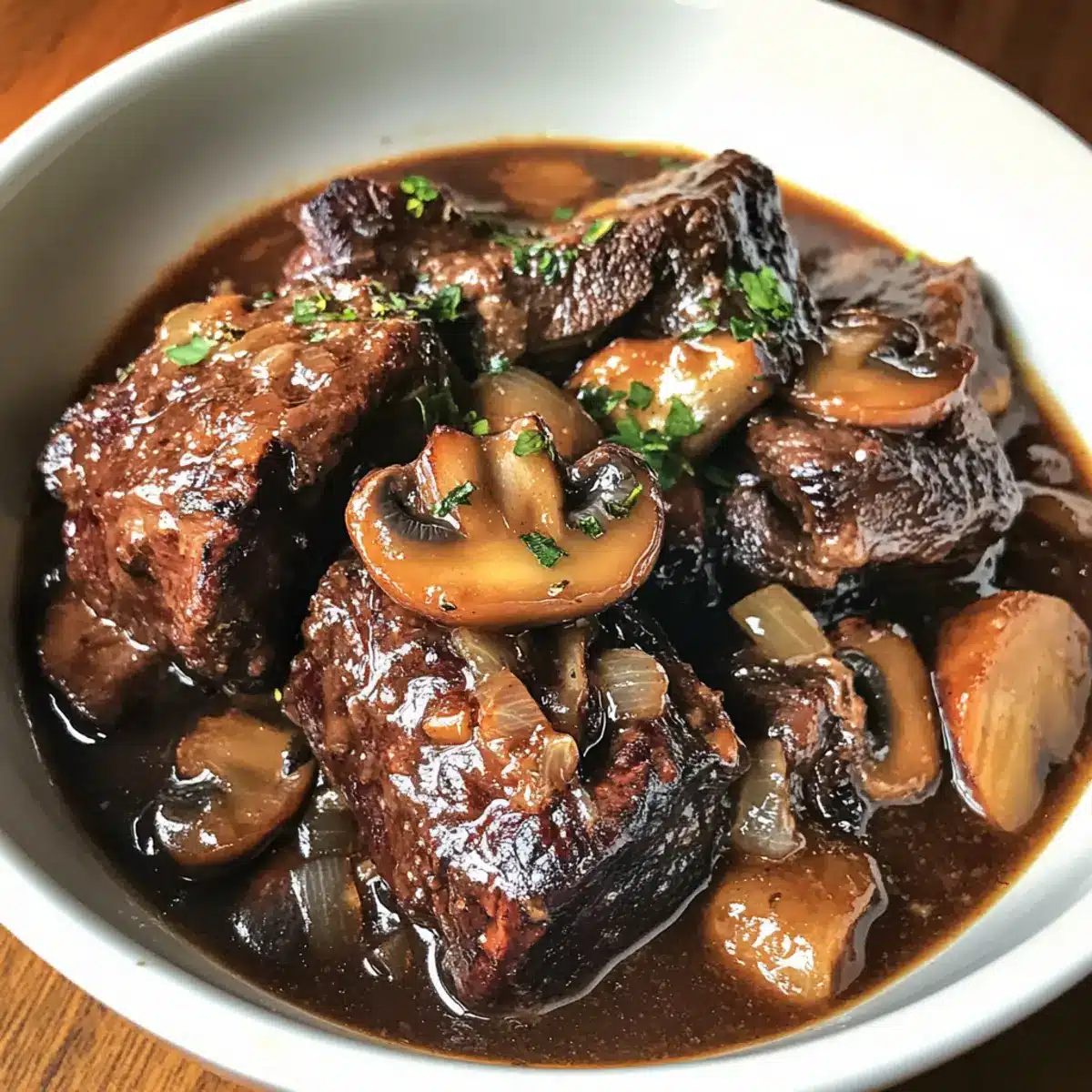
Expert Tips for Beef Carbonnade
-
Browning Matters: Ensure your beef ribs are well-browned to enhance the depth of flavor. This step is crucial as it develops the stew’s rich taste.
-
Thicken as Needed: If the sauce is too thin after cooking, remove the ribs and let the sauce simmer until it thickens. This intensifies the flavor of your Beef Carbonnade.
-
Slow Cooker Switch: To adapt your recipe for a slow cooker, follow the browning and sautéing steps, then transfer everything to the slow cooker. Cook on low for 6-8 hours for fall-apart tenderness.
-
Ingredient Flexibility: Don’t hesitate to experiment with substitutions like red wine for beer or using bacon instead of speck. This allows you to tailor the Beef Carbonnade to your ingredient availability and taste preferences.
-
Seasoning Wisely: Always taste before serving! Adjust seasoning with salt and pepper to ensure a well-balanced flavor that truly shines.
Beef Carbonnade Variations & Substitutions
Feel free to customize your Beef Carbonnade to suit your tastes and pantry, making it even more delightful!
- Dairy-Free: Omit any creamy sides and use vegetable broth instead of beef stock for a lighter twist.
- Gluten-Free: Substitute plain flour with your favorite gluten-free flour blend to keep the rich flavors without the gluten.
- Red Wine option: Swap the beer for a robust red wine, combining it with extra beef stock for that deep flavor.
- Different Proteins: Try tender lamb shanks or chunks of chicken for a unique spin on this comforting dish.
- Vegetable Boost: Add diced potatoes or butternut squash for a heartier stew, perfect to warm up chilly evenings.
- Herb Variations: Replace thyme and rosemary with fresh basil and oregano for a fragrant twist on classic flavors.
- Spice it Up: Add red pepper flakes or a dash of smoked paprika for extra warmth and depth in your Beef Carbonnade.
- Serving Styles: Enjoy your stew over creamy polenta or with a side of homemade crusty baguette for a fulfilling meal.
If you’re interested in more delicious recipes that allow for personalization, take a look at my Southern Glazed Beef or try crafting a flavorful Apple Crisp Korean for dessert!
Make Ahead Options
These Beef Carbonnade preparations are perfect for busy weeknights! You can chop and sauté the vegetables (carrots, onions, and mushrooms) up to 24 hours in advance; simply refrigerate them in an airtight container to maintain freshness. Additionally, the beef ribs can be browned ahead of time and kept refrigerated for up to 3 days. When you’re ready to serve, combine all your prepped ingredients, including the room-temperature beer, in your casserole dish, and let them braise as per the original recipe instructions. This way, you enjoy the same rich, comforting flavors with minimal effort, making dinner a breeze!
What to Serve with Slow-Cooked Beef Carbonnade?
Pairing a delightful side dish is the key to making your dinner unforgettable, as the rich flavors of the stew can be beautifully complemented in various ways.
-
Crusty Bread: The perfect companion for soaking up the sumptuous, thick sauce of the stew. Its crispy exterior and soft center enhance the comfort of your meal.
-
Mustard Butter Mashed Potatoes: Creamy and tangy, these potatoes add a velvety texture that beautifully balances the hearty meatiness of the Carbonnade while grounding the dish with a familiar comfort.
-
Crispy Roast Potatoes: Their golden, crunchy exterior along with a soft interior provides a delightful contrast, making each mouthful an exciting adventure alongside the tender beef stew.
-
Coleslaw with Apple Cider Dressing: A refreshing, tangy salad adds brightness and crunch, cutting through the richness of the Beef Carbonnade and creating a pleasing balance on your plate.
-
Garlic Green Beans: Lightly sautéed with olive oil and garlic, these bright green beauties add a wonderful pop of color and crispness, enhancing the overall dining experience.
-
Simple Spinach Salad: Toss fresh spinach with lemon vinaigrette and shaved parmesan for a light, zesty addition that complements the depth of flavor found in the stew.
-
Belgian Beer: Since the stew celebrates beer as a key ingredient, serving it with a well-chosen lager or ale can create a harmonious pairing, elevating the flavors to new heights.
Storage Tips for Beef Carbonnade
Fridge: Store leftover Beef Carbonnade in an airtight container for up to 3-4 days. This stew benefits from sitting, allowing the flavors to deepen, making your next meal even more delightful.
Freezer: Beef Carbonnade freezes beautifully! Place cooled portions in freezer-safe containers, and it can last up to 3 months. Just make sure to leave some space for expansion.
Reheating: When ready to enjoy your stew again, thaw overnight in the fridge if frozen, and reheat gently on the stovetop or in the microwave. Stir occasionally until steaming hot throughout for the best texture and flavor.
Serving Reinvention: Transform your reheated Beef Carbonnade into a gourmet experience by serving it over fresh mashed potatoes or with crusty bread for a cozy, comforting meal.
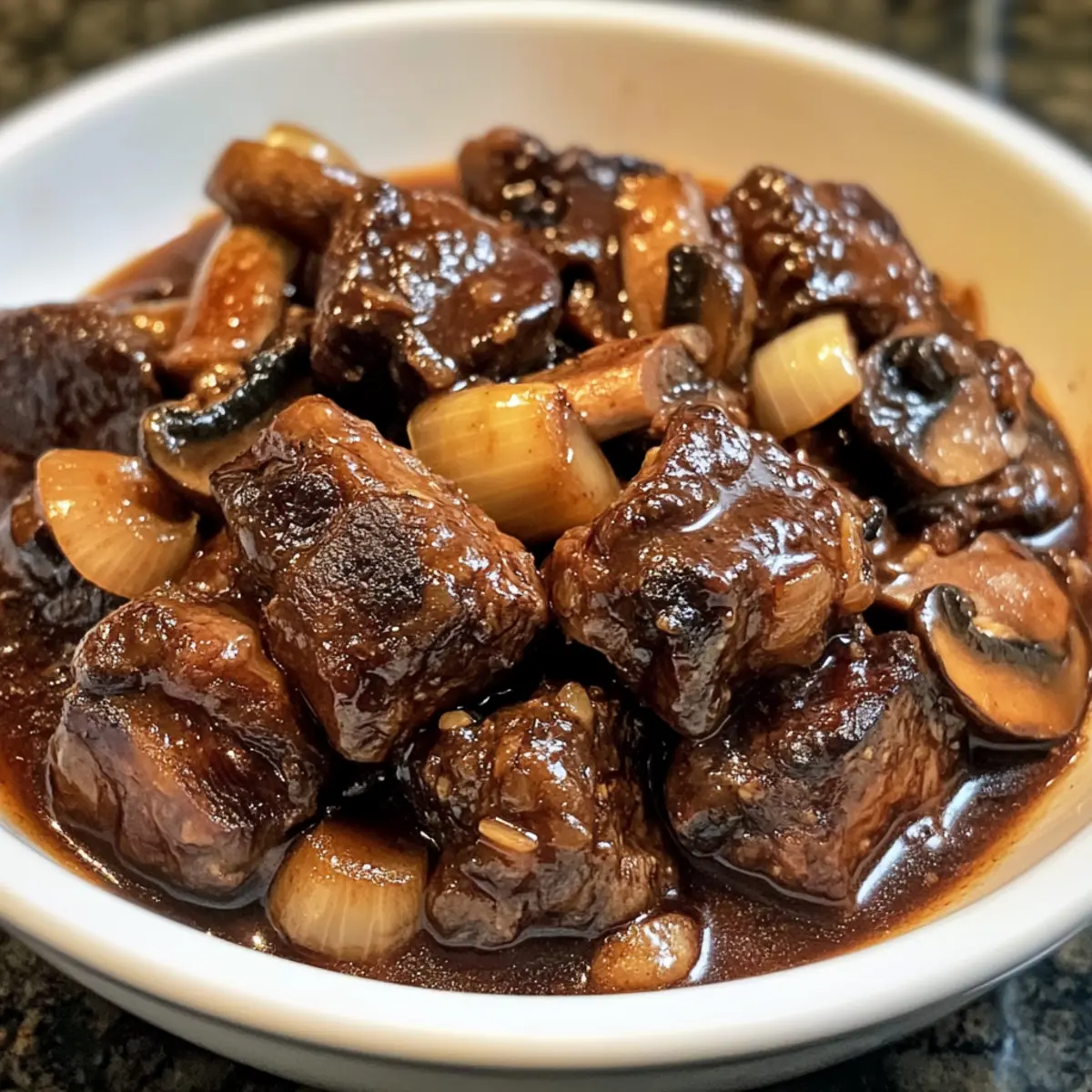
Beef Carbonnade Recipe FAQs
How do I select the best beef for Beef Carbonnade?
Choosing the right beef is essential for a tender stew. I recommend using beef short ribs—look for well-trimmed cuts with a good amount of marbling. Marbling ensures the meat stays juicy during slow cooking. If short ribs aren’t available, you can also opt for chuck roast, but make sure it’s well-marbled as well.
How should I store leftover Beef Carbonnade?
Leftover Beef Carbonnade can be stored in an airtight container in the fridge for up to 3-4 days. The flavors actually improve as they meld together! Just make sure to allow it to cool before sealing it. For longer storage, you can freeze the stew for up to 3 months. Just remember to leave some headspace in the container, as the stew may expand when frozen.
Can I freeze Beef Carbonnade, and if so, how?
Absolutely! Once your Beef Carbonnade has cooled completely, portion it into freezer-safe containers, leaving a bit of space at the top for expansion. Place a layer of plastic wrap directly on the surface of the stew to minimize freezer burn, then seal the container. To thaw, simply transfer it to the refrigerator overnight, and you can reheat it on the stovetop or microwave, stirring occasionally until heated through.
What should I do if my Beef Carbonnade is too thin?
If you find your stew to be thinner than you’d like after cooking, don’t worry! You can simply remove the beef ribs from the pot and let the remaining liquid simmer uncovered on the stovetop for about 10-15 minutes. This will help evaporate some of the excess moisture and thicken the sauce. Once it’s reached your desired consistency, add the ribs back in, reheat, and enjoy!
Are there any dietary alternatives I should consider for Beef Carbonnade?
Yes! For those watching their gluten intake, you can use a gluten-free all-purpose flour to dust the beef. If you’re avoiding alcohol, replace the beer with red wine mixed with additional beef stock for a similar depth of flavor. Always double-check your ingredient labels to ensure they meet your dietary needs.
Can I make Beef Carbonnade in a slow cooker?
Very much! After browning the beef ribs and sautéing the vegetables, simply transfer everything into your slow cooker. Pour in the beef stock, mustard, and herbs, then cover and cook on low for 6-8 hours, or until the beef is tender and flavorful. This hands-off approach is perfect for busy days and ensures a fantastic stew at the end!
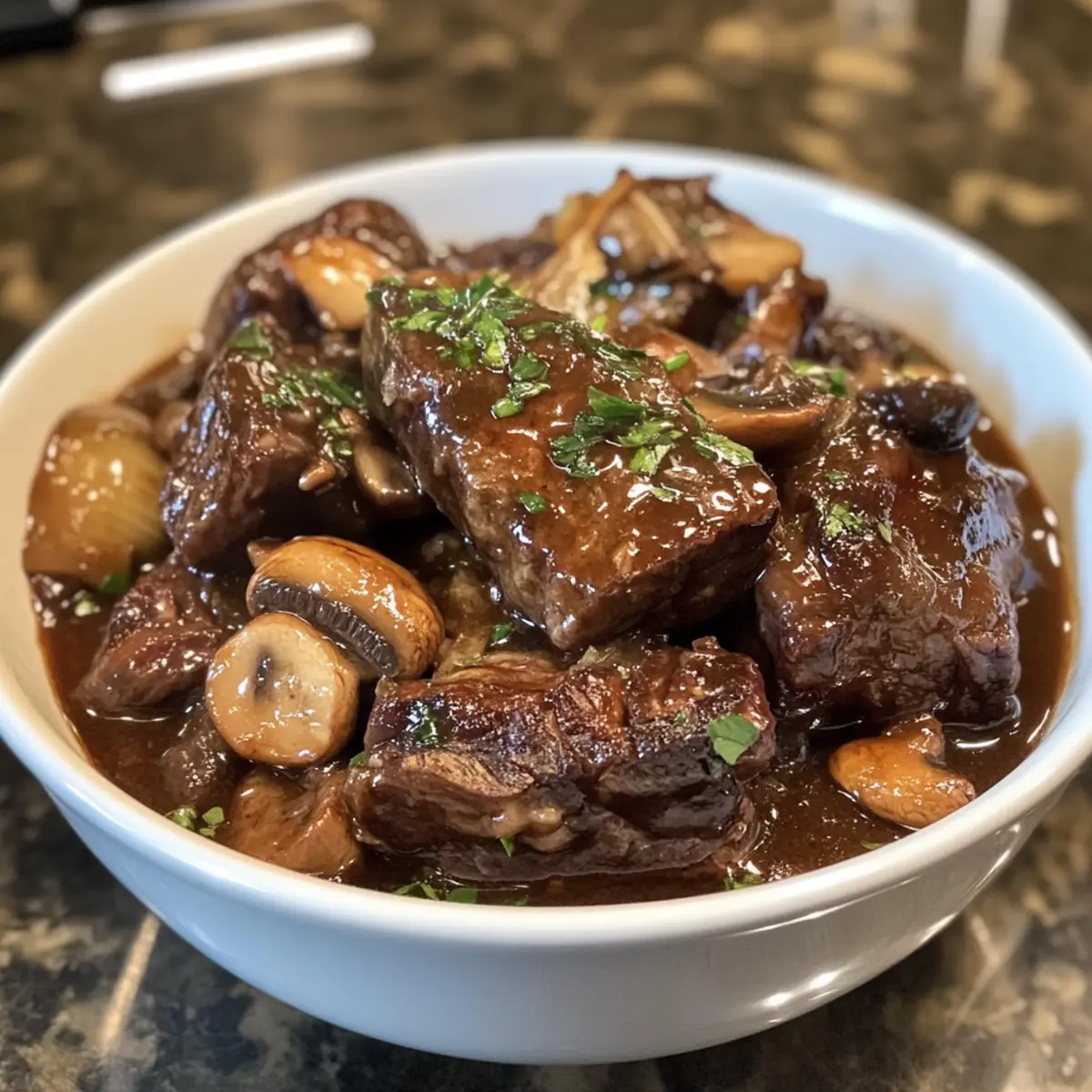
Beef Carbonnade: Comforting Stew for Cozy Nights
Ingredients
Equipment
Method
- Preheat your oven to 160°C (320°F) to prepare for slow cooking your Beef Carbonnade.
- Cut your beef short ribs into manageable pieces, ensuring they are well-trimmed and dust with flour.
- In your casserole dish, heat olive oil and sear the beef ribs until browned on all sides.
- Sauté carrots, onions, and mushrooms in the same pot until softened.
- Stir in the tomato paste and minced garlic, cooking for a few minutes until fragrant.
- Deglaze the pot with beer, stirring to scrape up any browned bits.
- Combine all ingredients back into the pot, including mustard, herbs, and beef stock.
- Cover and braise in the oven for about 2 hours or until beef is fork-tender.
- Adjust seasoning with salt and pepper and serve with crusty bread or mashed potatoes.
Leave a Reply